
Most property investors chase rental yield because it feels safe. Predictable monthly income. Spreadsheets that work. Numbers you can show your family.
Then ten years pass. You’ve collected rent religiously. Managed tenants. Fixed leaks. Filed taxes. And your neighbor who bought raw land on the city edge just sold for 4x what you paid for your rental flat. Same timeline. Same city. Different outcome.
That’s the appreciation versus rental yield question nobody asks clearly enough. You don’t need to pick just one — but you absolutely need to understand which matters more for your actual financial situation, your timeline, and what you’re building toward. We’ve watched hundreds of investors on Freeperty list properties bought for yield that barely moved in value, and appreciation plays that never generated a rupee of income. Both strategies work. Both fail. The difference is knowing which game you’re playing.
What Appreciation and Rental Yield Actually Mean
Appreciation is price growth. You buy at ₹50 lakhs today. Sell at ₹85 lakhs in eight years. That ₹35 lakh gain is appreciation. It’s capital growth, asset value increase — whatever you call it, it means the property itself became worth more.
Rental yield is annual rental income divided by property value, expressed as a percentage. A ₹60 lakh apartment renting for ₹20,000 per month generates ₹2.4 lakhs annually. That’s a 4% yield. It’s cash flow. Regular income. Money you can use before you sell.
Here’s where theory meets reality. Appreciation is unrealized until you sell. Yield is realized every month but taxed as income. Appreciation depends on location, infrastructure, demand — factors mostly outside your control. Yield depends on tenant quality, maintenance costs, vacancy periods — factors you manage but can’t guarantee. Neither is passive. Both require real work. Anyone selling you “passive income” through real estate hasn’t dealt with a tenant who stops paying two months before Diwali.
We’ve listed properties in Freeperty’s marketplace that looked brilliant on paper — 7% yields in Tier 2 cities — until you factor in three months of vacancy, property tax hikes, and that one tenant who destroyed the modular kitchen. The yield dropped to 3.8%. Still positive. Not what the calculator promised.
Why Most Indian Properties Deliver Low Rental Yields
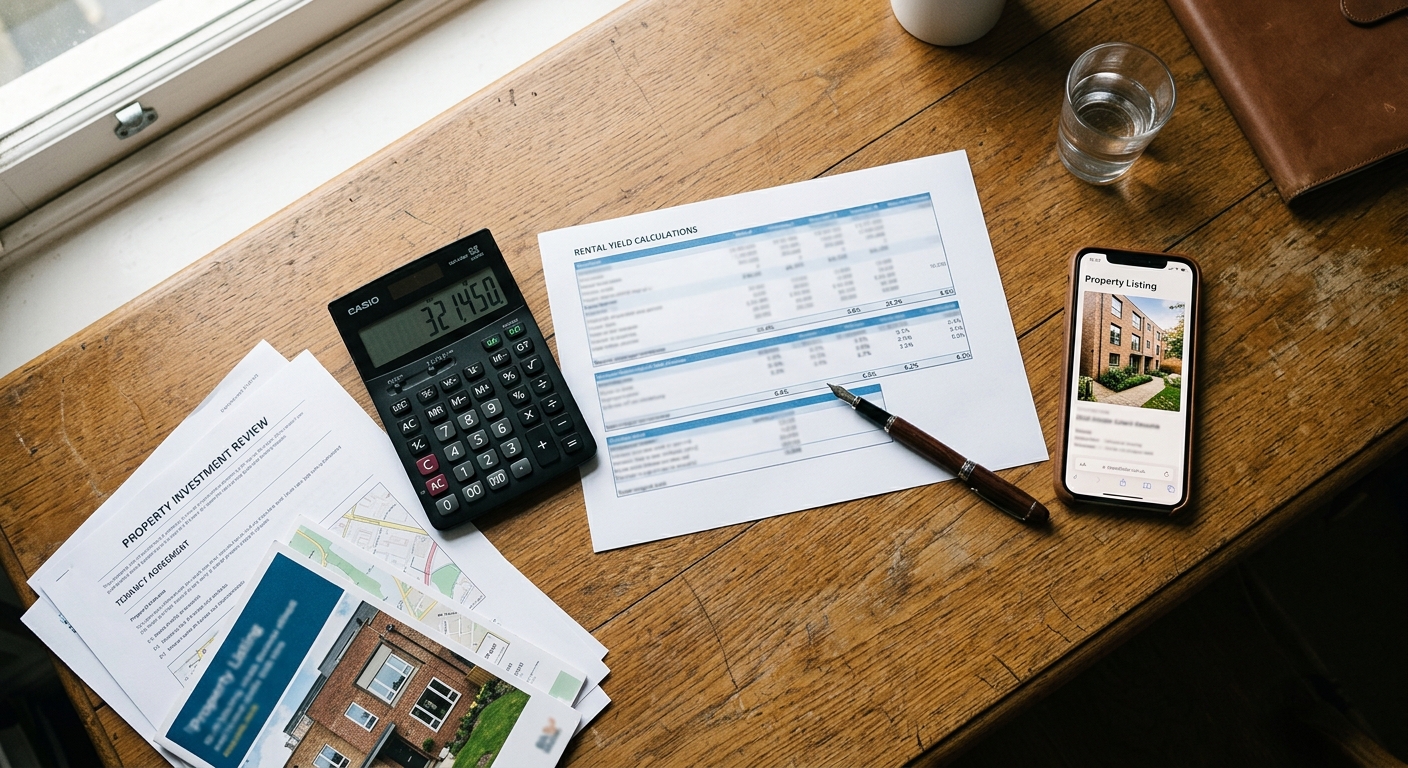
Indian residential rental yields average 2.5% to 3.5% in major cities. Commercial properties do better at 6% to 8%, but come with longer vacancy risks and fit-out costs. Compare that to fixed deposits at 7% or debt mutual funds at 8% to 9%, and you see the problem. Real estate yield alone doesn’t justify the capital lock-in, the illiquidity, or the management hassle.
The reason is simple. Property prices in India have historically grown faster than rents. A ₹1 crore apartment in Pune might rent for ₹25,000 per month — just 3% yield. That same property was ₹45 lakhs eight years ago, when it rented for ₹18,000. Rent grew 39%. Price grew 122%. Yields actually compressed as prices rose faster.
This isn’t broken. It’s structural. Indian buyers treat real estate as wealth storage and generational transfer, not income generation. Prices reflect aspiration, scarcity, and capital preservation — not rental economics. That’s why a 2BHK in a Tier 1 city yields 2.8% while a similar apartment in a Tier 2 town yields 5.5%. The Tier 1 property will likely appreciate faster. The Tier 2 property delivers better immediate cash flow. Different strategies. Different outcomes.
We see this constantly on Freeperty. Investors from Mumbai buy retirement plots in Alibaug chasing future appreciation, knowing they’ll sit vacant for a decade. Meanwhile, channel partners list ready-to-rent flats in Hadapsar with 5% yields that won’t double in price anytime soon. Both are right for different people.
When Appreciation Matters More Than Yield
Appreciation wins if you don’t need income now and you’re building long-term wealth. That’s the honest filter. If monthly rent won’t change your life but a 3x to 5x gain in fifteen years funds your child’s education or your own retirement, you optimize for appreciation.
Young professionals in their 30s with stable salaries, NRIs with overseas income, second-property buyers with existing cash flow — these profiles benefit more from appreciation plays. You’re not depending on rent to cover EMIs. You can absorb vacancy. You can wait through market cycles. You’re playing the long game.
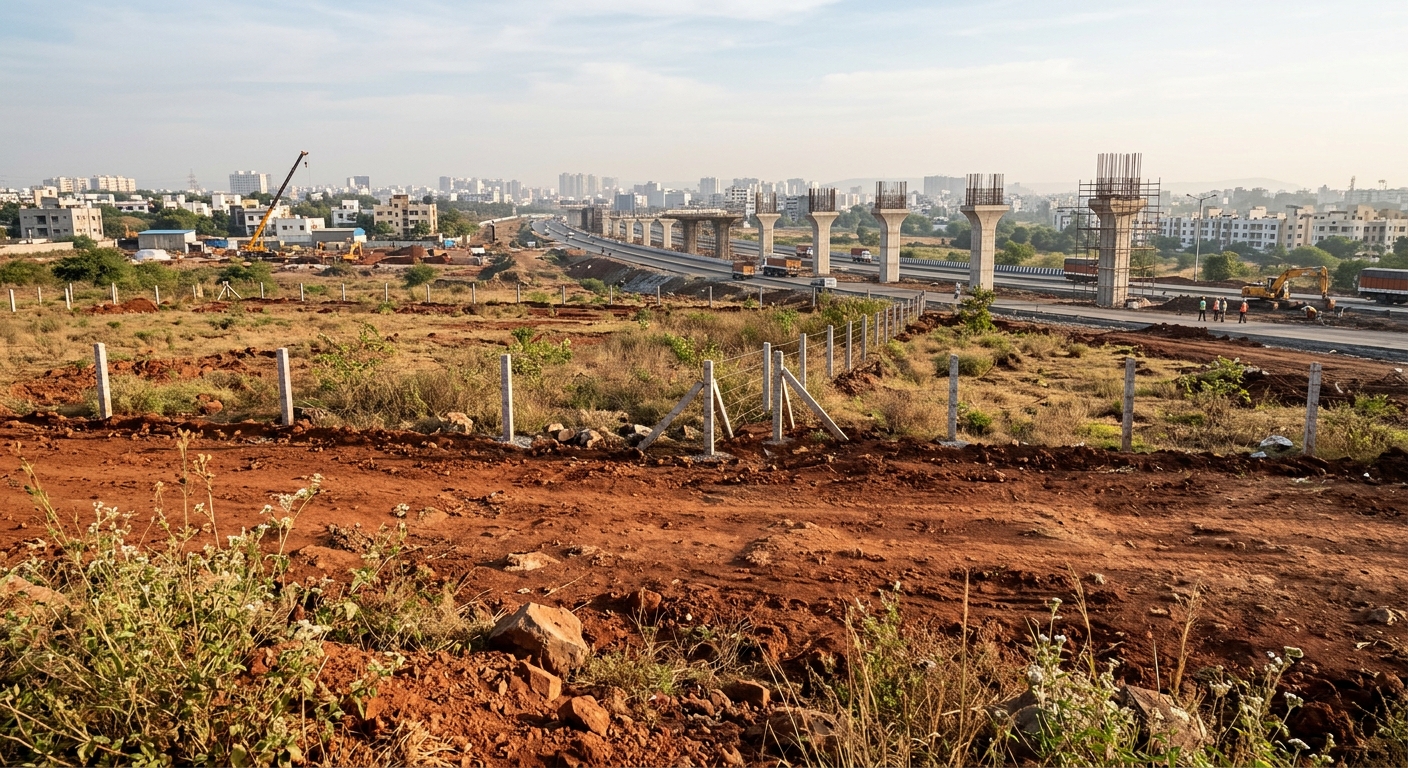
Plots near upcoming metros, under-developed pockets in established cities, early-phase gated communities in infrastructure corridors — these are classic appreciation bets. A 1200 sq ft plot near the Pune-Nashik highway bought at ₹18 lakhs in 2016 is worth ₹42 lakhs today. Zero rental income for ten years. 133% appreciation. The investor didn’t care about yield because his IT salary covered everything else. The plot was wealth building, not income generation.
Freeperty’s platform is built for exactly this kind of discovery. Properties that won’t generate rent for years but sit in appreciation zones show up in organic search because each listing becomes a landing page. Investors find them through “plots near Navi Mumbai metro” or “land in Devanahalli growth corridor” — not through agents pushing high-yield inventory that nobody wants to hold.
Appreciation also compounds invisibly. A property appreciating at 7% annually doubles in value every ten years. Rent rarely doubles that fast. The math is boring but brutal. ₹50 lakhs at 7% annual appreciation becomes ₹98 lakhs in ten years. ₹50 lakhs earning 4% yield generates ₹2 lakhs a year — ₹20 lakhs total over ten years, pre-tax. Appreciation wins by ₹28 lakhs, assuming you can afford not to touch that capital.
When Rental Yield Matters More Than Appreciation
Yield wins when you need cash flow now, when you’re retired or semi-retired, when the property has to pay for itself, or when you’re funding one asset with income from another. That’s the reality check. If the property doesn’t generate rent, you’re bleeding holding costs — property tax, maintenance, society charges, opportunity cost of blocked capital.
Retirees, early retirees, investors with variable income, and anyone using real estate to replace salary — these profiles need yield first. Appreciation is a bonus. Cash flow is survival.
Commercial properties, co-working spaces, well-located 1BHK flats near IT parks, student housing near universities — these are yield-focused plays. A 1BHK in Hinjewadi Phase 3 renting for ₹15,000 per month on a ₹35 lakh purchase price delivers 5.14% yield. Tenants rotate every two years. Demand stays stable. Appreciation might be slower than a plot in Mulshi, but you’re collecting ₹1.8 lakhs annually. That pays property tax, covers part of another EMI, or funds living expenses.
We’ve seen this pattern repeatedly on Freeperty. Investors list commercial shops in Tier 2 cities with 7% to 8% yields because local businesses need space and rents hold steady. These properties don’t double in five years. They don’t need to. The investor is extracting value through income, not exit.
Yield also forces discipline. If a property doesn’t rent, something’s wrong — price, location, condition, or market demand. Appreciation can hide mistakes for years. Yield exposes them in three months. A property listed at ₹22,000 per month that sits vacant for four months tells you the market price is ₹18,000. You adjust or you bleed. That feedback loop makes you a better investor faster than waiting a decade to discover your appreciation bet failed.
Yield works when appreciation is uncertain. Properties in fully developed areas with limited growth runway, older buildings in mature neighborhoods, secondary cities with stable demand but no infrastructure boom — these deliver yield because that’s all they have left to give. And sometimes that’s enough.
How to Calculate Real Rental Yield (Not the Marketing Number)
Gross yield is annual rent divided by purchase price. A ₹50 lakh property renting for ₹18,000 per month generates ₹2.16 lakhs annually. Gross yield is 4.32%. Every listing, every agent, every marketing brochure will show you gross yield. It’s useless.
Net yield subtracts real costs. Property tax, society maintenance, vacancy periods, repairs, property management fees if you’re hands-off, insurance, and depreciation on furnishings if it’s a furnished rental. Suddenly that 4.32% drops to 2.8% or 3.1%. That’s your real return before income tax. After tax, it’s lower.
Here’s the formula most investors skip:
Net Rental Yield (%) = [(Annual Rent – Annual Costs – Vacancy Loss) / Total Property Investment] x 100
Total property investment includes purchase price, registration, stamp duty, and any immediate repairs or furnishing. A ₹50 lakh property actually costs ₹54 to ₹55 lakhs after registration and basic furnishing. Your yield denominator just grew by 10%. Your yield percentage just shrank.
Vacancy loss is the silent killer. If your property sits empty for two months a year, you lose 16.67% of gross rent. That ₹18,000 per month apartment doesn’t generate ₹2.16 lakhs — it generates ₹1.8 lakhs. Maintenance and tax take another ₹40,000 to ₹50,000. You’re netting ₹1.3 to ₹1.4 lakhs on a ₹55 lakh investment. That’s 2.36% to 2.54% net yield. Not 4.32%.
We built ROI calculators on Freeperty because this gap between advertised and real yield destroys investor expectations. Buyers see 5% and plan around it. Reality delivers 3%. The gap creates frustration, forced sales, and distrust. Transparency fixes that.
Appreciation Timelines and Market Cycles in India
Appreciation isn’t linear. It’s lumpy. Properties sit flat for three years, jump 30% in eighteen months when infrastructure announcements hit, then plateau again. If you sell in the flat period, you think appreciation failed. If you sell in the jump, you think you’re a genius. Timing is half the game. Market cycles are the other half.
Indian real estate moves in 7 to 10 year cycles in most Tier 1 and Tier 2 cities. A boom phase where prices rise 8% to 12% annually, followed by a correction or stagnation phase where prices grow 0% to 3% annually. Infrastructure, interest rates, employment growth, and policy changes drive these cycles. RERA cleaned up some of the speculative mess, but cycles still exist.
Properties near upcoming metro lines, expressways, airports, IT corridors, or new industrial zones appreciate faster once construction begins. A property 5 km from a metro station appreciates slowly. The same property 500 meters from a station appreciates 15% to 25% faster in the three years before and two years after the metro opens. Location intelligence matters more than property type.
We track this on Freeperty through area guides and infrastructure update content. Investors searching “property near Jewar airport” or “plots near Pune Ring Road” find listings early in the appreciation curve. That searchability — every listing as its own SEO-driven page — gives smaller investors the same discovery advantage that large developers pay brokers crores to create.
Realistic appreciation expectations in India:
- Established Tier 1 locations (South Mumbai, South Delhi, Whitefield Bangalore): 4% to 6% annually
- Developing Tier 1 corridors (Gurgaon, Navi Mumbai, Pune IT belt): 6% to 9% annually
- Tier 2 cities with infrastructure growth (Indore, Jaipur, Coimbatore): 7% to 10% annually
- Speculative plots in growth zones: 10% to 15% annually if infrastructure delivers; 0% to 2% if it doesn’t
Speculation is not strategy. Speculation is betting infrastructure happens. Strategy is buying where infrastructure is already funded, approved, and halfway built. The former might 3x your money or lose 30% to inflation. The latter will likely 2x your money in eight to ten years. Boring wins.
Blending Both: The Two-Property Strategy
You don’t need to pick one. Most successful investors we see on Freeperty run a blended portfolio. One property for yield. One for appreciation. The yield property funds holding costs on the appreciation property. The appreciation property builds long-term wealth. Both work together.
A real example from our marketplace: an investor in Bangalore bought a 1BHK near Electronic City for ₹45 lakhs, renting it for ₹18,000 per month (4.8% gross yield, roughly 3.2% net). Same investor bought a 1-acre farmland plot near Devanahalli for ₹32 lakhs. The plot generates zero income but sits 8 km from the airport and 3 km from a planned logistics hub. The 1BHK cash flow covers the plot’s property tax and opportunity cost. The plot’s appreciation over ten years will likely outpace the 1BHK’s total yield + appreciation combined.
This strategy works if you have enough capital to split, enough income to cover any gap, and enough patience to hold both. It doesn’t work if you’re stretched thin or if you panic-sell in a flat market. Blending strategies requires discipline, not just diversification.
The most common mistake? Buying two yield properties thinking you’re diversified. You’re not. You’ve doubled your tenant risk, your vacancy risk, and your management load. Two properties in the same city, same type, same tenant profile — that’s concentration, not diversification. One yield, one appreciation, in different locations or asset types — that’s a real blend.
Freeperty’s open marketplace makes this easier because you’re not locked into one broker’s inventory. You can list a yielding flat in Pune, search for appreciation plots in Nashik, compare villas in Goa, and evaluate commercial spaces in Surat — all on the same platform without paying subscription fees to access different categories. The ecosystem brings all property types and all stakeholders together. That’s how you actually build a blended strategy instead of just talking about it.
Tax Implications That Change the Math
Rental income is taxed as regular income at your slab rate. If you’re in the 30% tax bracket, a ₹2.4 lakh annual rent becomes ₹1.68 lakhs after tax. Your 4% gross yield is now 2.8% post-tax yield. Appreciation is taxed as capital gains — long-term if held over 24 months, short-term if sold earlier.
Long-term capital gains on property are taxed at 20% with indexation benefit. Indexation adjusts your purchase price for inflation, reducing taxable gains. A property bought for ₹50 lakhs in 2016 and sold for ₹90 lakhs in 2026 looks like ₹40 lakhs profit. With indexation, the adjusted purchase price might be ₹68 lakhs. Taxable gain is ₹22 lakhs, not ₹40 lakhs. Tax at 20% is ₹4.4 lakhs instead of ₹8 lakhs. Indexation saves you ₹3.6 lakhs.
Short-term gains are taxed at your income slab rate. Sell within two years, and you’re paying 30% on the full gain if you’re in the top bracket. Hold for 25 months, and you’re paying 20% with indexation. Time matters.
Rental yield also allows deductions. You can deduct a standard 30% of rental income for repairs and maintenance without submitting bills. Property tax is deductible. Home loan interest (if any) is deductible under certain conditions. These reduce taxable rental income but don’t eliminate the slab-rate tax hit.
Appreciation has one more advantage: you control the timing. You sell when you need the money or when the market peaks. Rental income happens every year whether you want the tax event or not. For high-income investors, that annual tax on rent can erode yield faster than vacancy or maintenance ever will.
We don’t give tax advice on Freeperty — that’s for your CA. But we do build calculators that let you model post-tax yield and post-tax appreciation scenarios so you see the real numbers before you commit capital. Transparency includes tax reality, not just gross returns.
Which Strategy Fits Your Situation
You’re early in your career, stable salary, no dependents, 10+ year horizon. Go appreciation. Buy in growth corridors. Absorb the illiquidity. Let it compound.
You’re semi-retired, need ₹40,000 to ₹50,000 monthly to supplement pension or savings withdrawals, and can’t afford capital loss. Go yield. Buy cash-flow properties in stable demand areas. Accept slower appreciation. Prioritize tenant quality and location stickiness.
You’re an NRI with foreign income, limited ability to manage Indian properties, and looking to park ₹1 to 2 crores for long-term wealth transfer to children. Go appreciation with minimal management needs — plots, under-construction projects in reputed developer townships, land near infrastructure projects. Avoid rental properties unless you hire a full-service property manager and accept the fee hit to yield.
You’re a business owner with variable income and want real estate to smooth out cash flow volatility. Go yield. The rental income provides stability your business can’t. Appreciation is secondary.
You’re a first-time buyer using a home loan, planning to live in the property for five years, then rent or sell. Start with a location that offers both — decent appreciation potential and rental demand if you relocate. This is the most common profile we see on Freeperty, and the hardest to optimize because you’re balancing lifestyle, leverage, and investment return. The answer is usually a 2BHK in a developing Tier 1 corridor near employment hubs. Not the fastest appreciation. Not the highest yield. But both exist, and you can pivot based on how life unfolds.
There’s no universal right answer. Anyone who tells you “always buy for appreciation” or “yield is king” is selling you their strategy, not solving your situation. The right answer is the one that fits your capital, your income, your timeline, your tax situation, and your ability to hold through market cycles without panic-selling.
Common Mistakes That Kill Both Strategies
Chasing advertised yield without calculating net yield. You buy a property marketed at 6% yield, discover it delivers 3.2% after real costs, and you’re stuck in an underperforming asset you can’t afford to sell.
Buying appreciation plays in locations with no infrastructure timeline. “The metro is coming” isn’t a strategy unless construction has started and a completion date exists. We’ve seen plots listed on Freeperty in “future growth zones” that have been future for twelve years. Infrastructure speculation without confirmation is gambling.
Overleveraging on yield properties. You buy a rental flat with 80% LTV assuming rent covers EMI. Tenant leaves. Vacancy lasts four months. You’re paying EMI from savings. Then the next tenant negotiates rent down 15%. Your yield assumptions collapse. The property becomes a liability. Leverage works when cash flow exceeds debt service by a margin. When it doesn’t, you’re one vacancy away from forced sale.
Ignoring liquidity. Appreciation is only useful if you can sell when you need to. A plot in a remote area might appreciate 12% annually, but if it takes 18 months to find a buyer, you’ve lost time value and opportunity cost. Liquid appreciation beats illiquid appreciation. A property in a high-demand area that sells in 60 days at 7% annual appreciation is better than a property in a low-demand area that takes 18 months to sell at 10% appreciation.
Underestimating management load on yield properties. Tenants don’t manage themselves. Repairs happen at midnight. Rent negotiations happen every renewal. If you’re not ready to manage or pay someone 8% to 10% of rent to manage for you, yield properties become stress, not income.
Buying property for emotional reasons and retrofitting financial logic. You love hill stations, so you buy a vacation home in Lonavala calling it an “appreciation play.” It’s not. It’s a lifestyle purchase. Own that. Don’t confuse it with investment strategy.
Frequently Asked Questions
What is a good rental yield for property in India in 2026?
A good rental yield depends on property type and location. Residential properties in Tier 1 cities delivering 3.5% to 4.5% net yield are above average. Tier 2 cities can deliver 4.5% to 6% net yield. Commercial properties should target 6% to 8% net yield. Anything below 2.5% net yield in residential real estate is weak and likely relies on appreciation to justify holding costs. Always calculate net yield after deducting taxes, maintenance, and vacancy — gross yield numbers from agents are almost always inflated.
How much appreciation can I expect on property in India over 10 years?
Realistic appreciation in India over ten years ranges from 50% to 100% depending on location and infrastructure development. Established Tier 1 areas grow 4% to 6% annually, compounding to roughly 50% to 80% over ten years. Developing corridors near metros, expressways, or IT hubs grow 6% to 9% annually, reaching 80% to 130% over a decade. Speculative plots in infrastructure zones can grow faster if projects complete on time, but carry much higher risk of stagnation if infrastructure delays. Historical averages since 2010 show 6% to 7.5% annual appreciation in major Indian cities, but timelines matter more than averages — market cycles create lumpy returns, not smooth annual growth.
Should I invest in property for rental income or appreciation?
Invest for rental income if you need regular cash flow now, are retired or semi-retired, or want the property to pay for itself while you hold it. Invest for appreciation if you don’t need income today, have a 10+ year investment horizon, and are building long-term wealth or capital for a future goal like retirement or education funding. The best strategy for most investors is blending both — one yield property that generates cash flow and one appreciation property in a growth corridor. Your age, income stability, tax bracket, and liquidity needs determine the right mix, not generic advice.
How do I calculate net rental yield accurately?
Net rental yield is annual rent minus all costs, divided by total investment, expressed as a percentage. Start with annual rent, subtract property tax, society maintenance, repairs (or 30% standard deduction), insurance, and property management fees if applicable. Factor in vacancy loss — if the property is empty two months a year, reduce annual rent by 16.67%. Divide this net income by total investment, which includes purchase price, stamp duty, registration, and any furnishings or immediate repairs. Multiply by 100 for percentage. Most investors skip vacancy and total investment adjustments, inflating yield by 1% to 2%, which leads to bad buying decisions.
Stop Guessing and Start Building Around Your Real Situation
Appreciation versus rental yield isn’t a debate you win. It’s a decision you make based on numbers, timelines, and honest self-assessment of what you actually need from the property. If you need cash flow, buy for yield and accept moderate appreciation. If you’re building wealth you won’t touch for a decade, buy for appreciation and don’t expect rent to matter. If you can do both, split your capital and let one fund the other.
Freeperty’s platform is built to help you find both kinds of properties without paying listing fees, subscription walls, or broker commissions that bias the advice. Every property — yield-focused flats, appreciation-focused plots, commercial spaces, vacation homes — sits in the same searchable marketplace. You filter by what matters to you, not what someone’s paid to sell you.
If you’re ready to stop guessing and start building a property portfolio around your actual financial situation, list your property for free on Freeperty or search our open marketplace for opportunities that match your strategy. No fees. No subscriptions. Just properties, honest data, and the tools to make better decisions. Visit freeperty.com, list or search, and take the first step toward a portfolio that works for your life — not someone else’s sales pitch.