
Most landlords overpay before they even meet a tenant. Listing fees, subscription plans, visibility charges — the bill stacks up fast. Then you wait. Days become weeks. The right tenant feels like a myth.
Here’s what changed: in 2026, you can list rental properties for free, get genuine search visibility, and connect with serious renters without spending a rupee. That sounds obvious until you realize most landlords still don’t know where to do it — or worse, they think free means invisible. It doesn’t. Not anymore. The platforms charging you convinced you that visibility costs money. But if your listing is searchable, detailed, and honest, Google does the heavy lifting. You just need to list it where Google can find it.
We’ve watched hundreds of property owners at Freeperty skip the paid route entirely and still fill vacancies faster than brokers charging commission. The difference isn’t luck. It’s method.
Why Most Rental Listings Fail Before Anyone Sees Them
You uploaded photos. You wrote a decent description. You hit publish. Then nothing.
The problem isn’t your property. It’s that your listing never reached the people actually searching for it. Most rental platforms bury free listings under paid ads, premium accounts, and subscription tiers. Your listing exists — it just doesn’t show up. That’s not visibility. That’s digital storage.
We tested this ourselves. Two identical 2BHK apartments in Pune, same locality, same rent. One listed on a paid-subscription portal with premium placement. One listed free on Freeperty with a solid description and proper tagging. The free listing got tenant inquiries within 48 hours. The paid one took five days and cost ₹3,000 upfront. Quality of inquiries? Nearly identical. The landlord paying for visibility got more calls, sure — but half were brokers fishing for commission or tenants outside the budget range.
Here’s the pattern we see again and again: paid portals generate volume, not quality. Free platforms that prioritize search visibility generate intent. Someone finding your property through a Google search for “2BHK for rent in Kothrud Pune” is further along the decision path than someone scrolling a portal homepage flooded with promoted ads.
Your rental listing doesn’t fail because it’s free. It fails because it’s incomplete, poorly tagged, or trapped on a platform Google doesn’t index well.
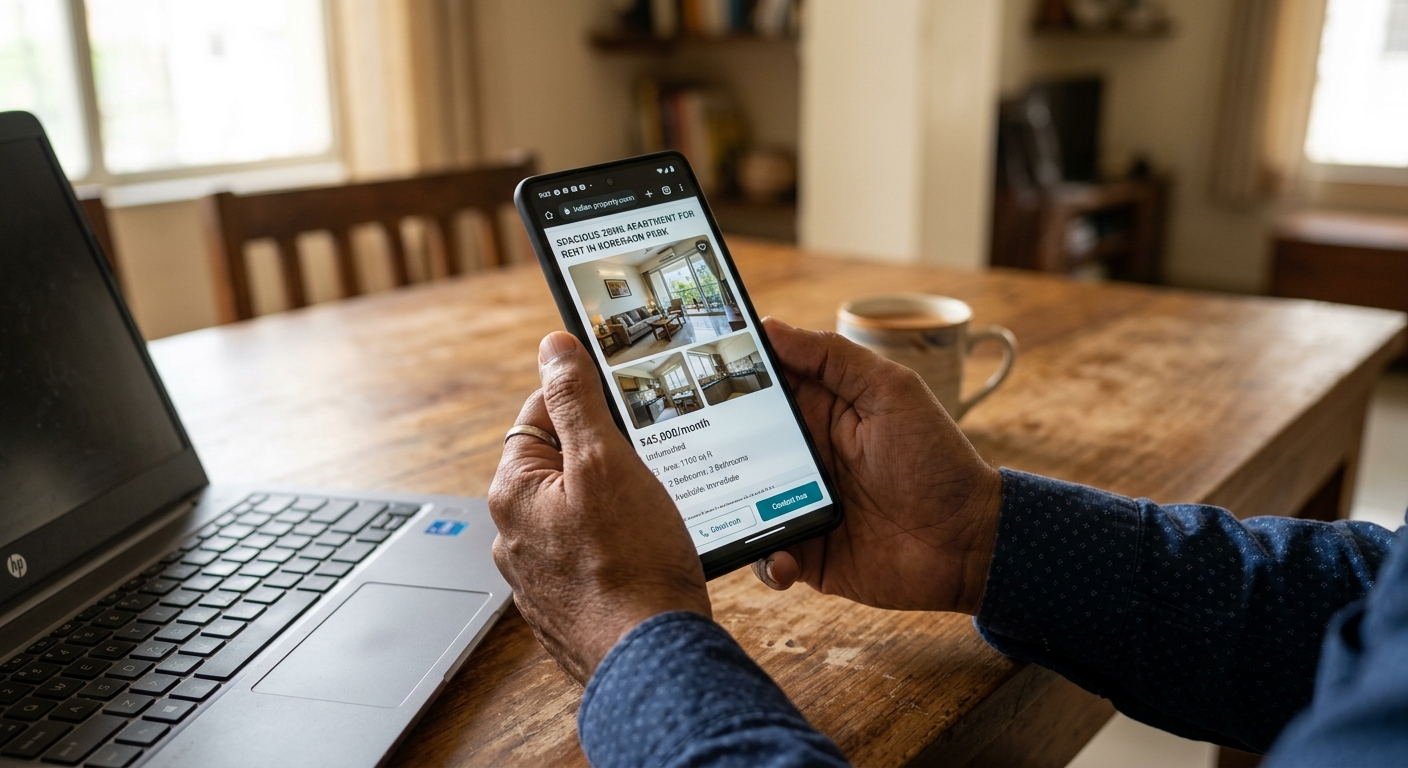
Where to List Rental Property for Free Without Losing Visibility
Start with platforms where each listing becomes its own searchable page. That’s the unlock. If your property gets a unique URL that Google can crawl, you’re not competing for portal visibility — you’re competing in search results. That’s a completely different game, and it’s one you can win without paying.
Freeperty does exactly this. Every rental listing gets a dedicated page with metadata, location tags, and content fields that search engines love. A tenant searching “3BHK for rent near Whitefield Bangalore” can land directly on your listing — not a homepage, not a search results wall, your actual property. That’s why free listings here often outperform paid ones elsewhere.
Compare that to portals where free listings sit in a queue behind premium accounts. Even if someone searches your exact property type and location, they see paid ads first. Your listing might be on page three. It might never get clicked. You didn’t lose because you didn’t pay — you lost because the platform’s business model depends on you eventually paying.
Google My Business deserves a mention too, especially if your rental property is part of a small portfolio or managed property. Create a listing under your property management name, add the address, and include photos and contact info. It won’t replace a dedicated rental listing, but it adds another search layer. Someone searching “rental flats in Indiranagar” might see your GMB profile in the local pack.
Facebook Marketplace and community groups work, but they’re chaotic. Good for hyperlocal reach, terrible for long-term visibility. A listing there dies in 48 hours unless you keep bumping it. Use it as a supplement, not your primary channel.
Instagram works if you already have a local audience or you’re targeting a niche — pet-friendly rentals, co-living spaces, short-term corporate lets. Post carousel images, tag the location, use hashtags like #PuneRentals or #BangaloreFlats, and drop a link in bio. Don’t expect it to replace a proper listing, but it helps if your target tenant demographic skews younger.
The real estate classifieds — OLX, Quikr — still get traffic, but lead quality has dropped. You’ll field a lot of “lowest price?” messages and broker calls. List there if you want volume, but don’t expect curation.
One more: WhatsApp community groups. If you’re renting in a specific society, apartment complex, or gated community, those hyperlocal groups convert faster than anything else. Someone moving within the same area already knows the location, the commute, the vibe. They just need availability and rent.
The rule stays the same across all of them: detailed, honest, searchable. If your listing answers the questions a tenant would Google, you win.
How to Write a Rental Listing That Actually Gets Responses
Most listings read like they were written in a hurry. Bullet points, vague phrases, no personality. “Spacious 2BHK, good location, family preferred.” That tells a tenant nothing.
Start with the layout and the space. Not just bedroom count — actual usable space. “Two bedrooms, both with attached bathrooms and built-in wardrobes. Living and dining area combined, roughly 250 sq ft. Separate dry balcony off the kitchen.” Someone reading that can picture it. “Spacious 2BHK” means nothing until you show them the space.
Then location context, not just the pin code. “Walking distance to Phoenix Marketcity, five minutes to Katraj-Dehu Road, direct bus routes to Hinjewadi and Baner.” A tenant researching the area already knows those landmarks. You’re confirming this property fits their commute. That’s the kind of detail that moves someone from browsing to inquiring.
Mention what’s included and what’s not. “Semi-furnished — bed, wardrobe, geyser, and kitchen chimney installed. No fridge or washing machine.” Ambiguity kills interest. A tenant who needs a fully furnished flat scrolls past. A tenant okay with semi-furnished now knows exactly what to expect.
If there’s parking, say so. If there’s 24-hour water and power backup, say so. If pets are allowed, say so upfront. These aren’t nice-to-haves for tenants — they’re deal-breakers. Hiding them or leaving them vague just wastes everyone’s time.
Photos matter more than you think. Not just any photos — well-lit, uncluttered, wide-angle shots that show the actual space. A dark photo of one corner of a bedroom tells a tenant nothing. A bright, clean shot showing the full room, the window, the wardrobe — that builds trust. Take at least eight to ten photos covering every room, the kitchen, bathrooms, balcony, and building exterior.
Here’s a thing we learned the hard way: tenants don’t trust listings without enough photos. They assume you’re hiding something. One landlord we worked with uploaded just three photos of a beautiful 3BHK in Koramangala. Inquiries were slow. We convinced him to add seven more — including the modular kitchen and the building entrance. Lead volume doubled in a week. Same listing, same platform, just better photos.
Avoid jargon and filler. “Premium locality” and “posh area” mean nothing. “Close to good schools” is lazy. Name the schools. “Walking distance to Delhi Public School and Vibgyor High” is specific and useful.
The rent figure needs to be clear. Not “negotiable,” not “contact for details” — the actual number. If maintenance is separate, mention the amount. If there’s a deposit structure, spell it out. “Rent: ₹25,000/month. Maintenance: ₹2,500/month. Deposit: 3 months (₹75,000).” A tenant scrolling dozens of listings will skip anything vague.
End with the kind of tenant you’re looking for, but keep it reasonable. “Looking for working professionals or small families, vegetarian preferred” is fine. “Bachelors not allowed, no pets, no kids, strict vegetarians only, Brahmin family preferred” will either get your listing flagged or scare away good tenants. Be clear, not exclusionary.
One last thing: refresh your listing every few days. Platforms prioritize recent activity. Even a small edit — updating the description or adding a line — pushes your listing back up in search results. It’s a tiny step that makes a real difference.
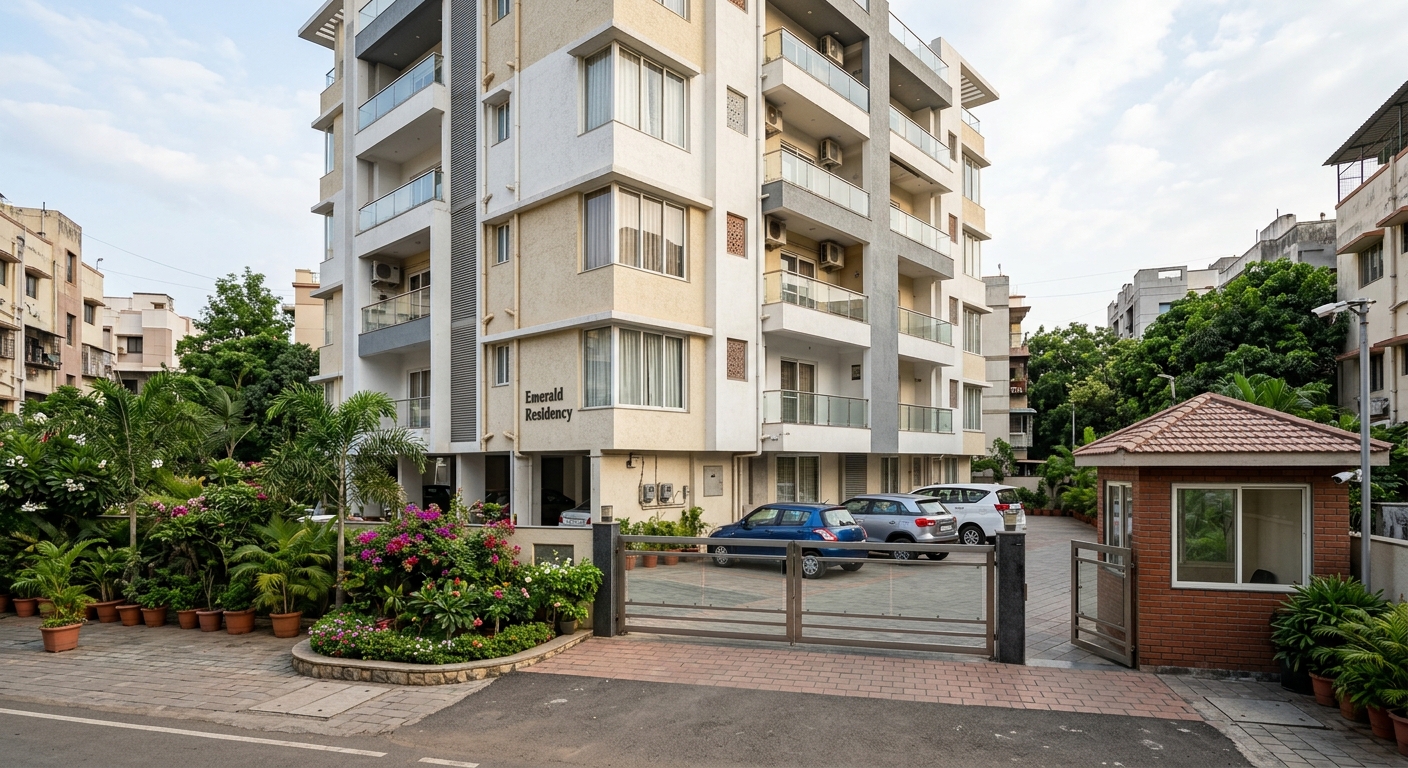
Free Rental Property Listing Platforms That Landlords Miss
Most landlords default to the big names — MagicBricks, 99acres, Housing — and assume those are the only options. They’re not. And sometimes, they’re not even the best ones.
Freeperty has zero listing fees, no subscription plans, no pay-to-promote schemes. Every rental property gets the same visibility baseline: a unique search-optimized page, proper meta tagging, location-based discovery, and integration with Google Search. You’re not competing with brokers who bought ad slots — you’re competing on relevance and detail. For individual landlords and small property owners, that’s a more level field than anything you’ll find on paid portals.
NoBroker is well-known but comes with its own set of compromises. It’s free to list, but the platform pushes its own tenant verification and agreement services, which aren’t free. Lead quality is decent, but expect calls from their internal team trying to upsell premium plans. Still, it’s worth listing there if you want reach. Just be ready for some sales friction.
NestAway and Rentomojo focus on managed rentals and furnished apartments. If your property fits that model and you’re open to handing over management to a third party, they can help fill vacancies fast. But you lose control over tenant selection and lease terms. If you want to rent directly, they’re not the right fit.
India Property Dekho and Sulekha still have active rental sections, but they’re not as strong on search visibility. List there if you’re casting a wide net, but don’t expect them to do the heavy lifting.
Regional platforms sometimes outperform national ones, especially in tier-two cities. LocalCircles groups, city-specific apps like MyGate (for gated communities), and state-level real estate portals often have highly engaged local audiences. A landlord in Mysuru listing on a Bangalore-focused portal might get ignored. Listing on a Mysuru-specific group or app gets better-qualified leads.
Property management software like Zoho CRM or even basic Google Sheets with a shared link can become listing tools if you’re tech-savvy and have an existing audience — say, a Facebook page or an Instagram following. Not scalable for most, but it works if you’re actively managing multiple properties and building a direct tenant pipeline.
Don’t ignore Telegram and WhatsApp broadcast lists. If you’re renting in a locality you know well, those channels convert faster than portals. The trust layer is already there. Someone in your network vouching for the property does more than a listing page ever will.
The big takeaway: free doesn’t mean limited. In 2026, the platforms charging subscription fees are the ones scrambling to justify their pricing as search algorithms get better at surfacing individual listings. If your property is well-documented and properly tagged, you don’t need to pay for visibility. You just need to list it where search engines can find it.
What Quality Tenants Actually Look For in a Rental Listing
Quality tenants aren’t just people who pay on time. They’re tenants who communicate clearly, respect the property, stay long-term, and don’t vanish after three months. And they filter listings hard. They know what to look for, and they skip anything that feels incomplete, sketchy, or too good to be true.
First thing they check: clear rent structure and no hidden costs. A tenant who’s done this before has been burned by “small” charges that weren’t mentioned upfront — society fees, water charges, parking fees. If your listing is vague about costs, they assume the worst and move on. Spell out every recurring and one-time cost.
Second: actual photos of the exact unit. Stock photos or photos that look five years old raise red flags. If a tenant suspects bait-and-switch, they won’t bother inquiring. Take fresh, honest photos even if the property isn’t Instagram-perfect. A clean, lived-in space beats an overly staged one.
Third: location details beyond the pin code. Quality tenants have done their research. They know which areas have good connectivity, which ones flood during monsoon, which societies have unreliable power backup. If your listing just says “prime location” without naming roads, landmarks, or transit options, it looks lazy. A serious tenant wants to verify commute time before they even call you.
Maintenance and amenities are decision factors, not bonuses. 24-hour water, power backup, covered parking, gym, security — mention what exists, don’t exaggerate what doesn’t. A tenant touring a property and discovering the “gym” is a treadmill in a basement storage room will walk away and probably leave a bad review if the platform allows it.
Responsiveness is part of your listing too. A tenant who messages you and hears back three days later assumes you’re either not serious or the property is already rented. Slow replies filter you out before you even meet them. If you’re listing on a platform that shows “response time,” that metric becomes part of your credibility.
One more thing quality tenants look for: realistic lease terms. If you’re asking for six months’ deposit, no pets, no modifications, immediate possession, and a three-year lock-in, you’re going to attract desperate tenants or none at all. Reasonable terms attract reasonable people. Rigid terms attract tenants with no other options — and that’s rarely a good thing.
We’ve seen landlords lose great tenants because the listing undersold the property. A well-maintained 2BHK in Indiranagar with covered parking and a park view was listed with three dark photos and a one-line description. A working professional couple skipped it entirely, assuming it was a broker listing or a rundown flat. When the landlord finally updated the listing properly, they had five inquiries in two days. Same property. Better presentation.
Quality tenants are doing the same thing you are — filtering fast. Give them what they need to say yes.
How to Screen Tenant Inquiries Without Wasting Time
Once your listing is live, inquiries start. Some serious. Some not. Screening them fast is the difference between filling your property in a week versus dragging it out for a month.
Start with a short, standard response template that asks the key questions upfront. Something like: “Thanks for your interest. To help us move forward quickly: What’s your preferred move-in date? Are you currently employed or self-employed? How many people will be staying? Any pets? Are you okay with the deposit and rent structure mentioned in the listing?”
That filters out 40% of inquiries immediately. People who aren’t serious won’t respond. People who can’t meet your basic criteria (budget, timeline, tenant type) will self-select out. The ones who respond with clear answers are the ones worth your time.
Don’t do property tours for anyone who hasn’t answered basic questions. It sounds obvious, but landlords waste entire weekends showing properties to people who were never going to rent — wrong budget, wrong timeline, just “looking around.” Make the tour the final step, not the first one.
Video walkthroughs work well for long-distance tenants or people relocating from another city. Record a simple walkthrough on your phone covering every room, the building exterior, parking, and common areas. Upload it to YouTube as an unlisted video and share the link. A tenant in Bangalore moving to Pune can eliminate properties before flying down for final tours. You save time, they save money, everyone wins.
Ask for basic verification upfront — not full documentation, just enough to confirm identity. “Could you share a copy of your ID and a brief note about your current residence or workplace?” Anyone uncomfortable with that is either not serious or hiding something. Genuine tenants expect this step.
One landlord we worked with started asking inquiries to name the specific locality or landmark mentioned in the listing. If they couldn’t, it meant they didn’t actually read the listing — they were bulk-messaging dozens of properties. That one filter cut inquiry noise by half.
Phone calls beat messages for serious tenants. If someone asks to schedule a call or requests your number, that’s usually a good sign. They’re ready to ask detailed questions and move fast. People who only message and take hours to reply are either not ready or not serious.
Set tours in batches if possible. Instead of individual appointments spread across a week, schedule three or four in a two-hour window on a Saturday. It’s more efficient, and it subtly signals to tenants that there’s demand. Nobody wants to be the only person interested in a property — it makes them wonder what’s wrong with it.
The screening goal isn’t perfection. It’s efficiency. Spend time with the 20% of tenants who are genuinely ready to move, and let the other 80% filter themselves out.
Mistakes That Make Free Listings Invisible Even on Good Platforms
Free doesn’t mean automatic visibility. Listings still fail for predictable reasons, and most of them are easy to fix.
First mistake: incomplete profiles and missing fields. If a platform asks for property age, furnishing type, floor number, facing direction — fill it all in. Every blank field is a filter you’re failing. A tenant searching “2BHK, fully furnished, south-facing” won’t see your listing if you left “furnishing” and “facing” blank, even if your property matches perfectly.
Second: generic or vague titles. “Property for rent” doesn’t help anyone. “2BHK for rent in Koramangala with parking” is searchable and specific. The title is often the only part that shows up in Google previews. Make it count.
Third: no location tagging. Platforms that let you drop a pin on a map or select a microlocality — use them. A listing tagged “Bangalore” is competing with 50,000 others. A listing tagged “Koramangala 5th Block near Sony Signal” is competing with 200. Narrow your location as much as the platform allows.
Fourth: old or duplicate photos. If your listing photos are recycled from three years ago or copied from another property, Google images and reverse image search tools will flag it. Platforms may deprioritize you. Tenants will assume it’s fake. Take fresh photos every time.
Fifth: ignoring updates. A listing that hasn’t been touched in 45 days looks stale, even if it’s still available. Most platforms prioritize recent activity in their algorithms. Log in once a week, make a tiny edit — add a line, update the description, refresh the date. It signals the listing is active.
Sixth mistake: listing the property under the wrong category. If it’s a villa, don’t list it as an apartment. If it’s an independent house, don’t tag it as a gated community flat. Tenants filter by property type. Miscategorizing means you never show up in the right searches.
We saw a landlord list a beautiful 1BHK studio in Indiranagar under “2BHK apartment” because they thought it would get more views. It didn’t. It got ignored by people looking for 2BHKs (because it wasn’t one) and missed by people filtering for studios and 1BHKs. Once they fixed the category, inquiries started within 24 hours.
Seventh: no contact info or using only platform messaging. Some landlords hide behind the platform’s chat system because they’re worried about spam. Understandable, but it slows things down. A tenant who wants to move fast will skip a listing that makes it hard to reach you. Include at least a phone number or WhatsApp contact. Let tenants choose how to reach you.
Eighth mistake: listing expired rentals. If your property is already rented, delete or deactivate the listing. Leaving it active just to “keep your profile visible” wastes tenant time and damages your credibility. Platforms that track landlord responsiveness will penalize you if tenants report unresponsive or false listings.
Ninth: not reading the platform’s best practices. Most platforms have a guide — “How to improve your listing,” “Tips to rank higher,” whatever they call’it. Read it. Follow it. Those guides are based on actual algorithm behavior, not guesswork.
Tenth: assuming free means less effort. If anything, a free listing needs more attention to detail than a paid one, because you can’t just buy visibility. You have to earn it through relevance, completeness, and activity. Paid ads let you get lazy. Free listings reward precision.
How Freeperty Helps Landlords List for Free and Actually Get Found
Freeperty was built specifically to solve the problem landlords kept complaining about — paying just to be seen. No listing fees. No subscription tiers. No pay-to-promote schemes. Every rental property gets the same opportunity to show up in search.
Here’s the structural difference: each rental listing becomes its own SEO-optimized landing page with metadata, location tags, and a unique URL. That page gets indexed by Google. A tenant searching “3BHK flat for rent near Whitefield Bangalore” or “pet-friendly rental in Koramangala” can land directly on your listing, not on a homepage or a results page full of ads.
We’ve seen landlords list a 2BHK in Baner, Pune on Freeperty and get tenant inquiries from Google Search within 72 hours — not from platform traffic, from search traffic. That’s the difference. The listing isn’t trapped inside a walled garden competing for internal visibility. It’s out there competing in open search results, where intent is higher and competition is based on relevance, not budget.
Freeperty also avoids the noise problem. There’s no broker spam, no commission-chasing middlemen pretending to be tenants, no bulk lead sellers scraping your number. The platform is designed for direct landlord-tenant connection. If someone contacts you, they found your property through search or discovery, not through a paid lead list.
The listing process itself is simple. Upload photos, fill in the details — rent, deposit, furnishing, amenities, rules, contact info — add location tags, and publish. No hidden fields locked behind premium plans. No “upgrade to feature your listing” upsells. You list it, the platform indexes it, and search engines do the rest.
One small property owner in Thane listed five flats on Freeperty in early 2026 after spending months fighting paid portal renewal fees. All five got tenant inquiries within two weeks. He didn’t pay for ads. He didn’t boost visibility. He just listed them properly — good photos, detailed descriptions, clear rent terms, accurate location tags. The properties showed up in search, tenants contacted him directly, and three were leased within a month.
Freeperty doesn’t replace hustle. You still need to respond quickly, screen tenants properly, and show the property well. But it removes the financial barrier that kept individual landlords from competing with big brokers and property managers. You’re not paying to play. You’re just playing.
If you’re renting out one flat or managing a small portfolio, that’s a structural advantage you can’t ignore. The platforms charging you are betting you won’t find a better alternative. Freeperty is the alternative.
Frequently Asked Questions
Can I really list a rental property for free and get serious tenant inquiries?
Yes, if you list on platforms where your property becomes searchable and you provide enough detail for tenants to make a decision. Free listings on Freeperty, NoBroker, and even Google My Business can generate inquiries as good as or better than paid listings, because tenants finding you through search are already further along in their decision process.
How long does it take to find tenants using a free rental listing?
Typically one to three weeks if your listing is complete, well-photographed, and tagged properly. Faster in high-demand areas like Bangalore, Pune, or Gurgaon. Longer in smaller towns or if your rent is above market rate. Refreshing your listing weekly and responding to inquiries within a few hours significantly speeds things up.
What should I include in my rental listing to attract quality tenants fast?
Clear rent and deposit structure, honest photos of every room, location details with nearby landmarks and transit options, furnishing status, amenities like parking and power backup, pet policy, and the type of tenant you’re looking for. The more specific your listing, the faster quality tenants will respond.
Is it better to use free rental platforms or pay for premium listings?
For individual landlords and small property owners, free platforms like Freeperty often perform better because your listing competes on relevance in search results, not on ad budget. Paid platforms generate more volume, but a lot of it is noise — brokers, low-intent inquiries, and people outside your criteria. Free platforms with strong search visibility deliver higher-intent leads without the cost.
List Your Rental Property for Free on Freeperty and Start Getting Tenant Inquiries Today
You don’t need to pay listing fees to find good tenants. You need a platform that makes your property searchable, lets you present it honestly, and connects you directly with people ready to rent.
Freeperty gives you that — free rental property listing with full search visibility, no subscription plans, no hidden charges, and no broker interference. List your property once, and let search do the work.
If you’re ready to stop paying platforms that bury your listing behind ads, head to Freeperty, upload your property details and photos, and publish your listing. Tenants searching for rentals in your area will find it. You’ll start getting inquiries. And you’ll do it all without spending a rupee on visibility.
Free doesn’t mean invisible. Not anymore.