
How to List Property for Sale: The Complete 2026 Guide That Actually Works
Learn exactly how to list property for sale online the right way — from photos to pricing to platform choice. Step-by-step tactics that bring real buyers, not just clicks.
A broker in Pune listed a 2BHK flat on three different platforms in March 2026. Same property. Same price. Same description. One listing got 47 enquiries in two weeks. The other two got 9 combined. The difference wasn’t the property — it was how he chose to list property for sale.
Most people treat property listings like classified ads. Upload photos. Write a description. Hit publish. Then they wonder why serious buyers don’t show up. Listing a property isn’t hard, but doing it in a way that attracts qualified buyers requires a specific process. This guide walks you through exactly that — not theory, but the actual steps that separate listings that move from listings that stall.
Why Most Property Listings Fail Before They Even Start
You’ve seen those listings. Blurry photos taken at noon with harsh shadows. Descriptions that say “spacious 3BHK in prime location” without saying anything useful. Price listed as “negotiable” with no context. These don’t fail because of bad luck — they fail because they were set up to fail.
Here’s what happens. A seller gets emotional about their property. They remember the money they spent on that Italian marble. They factor in the years they lived there. They add a premium because their neighbor sold for more last year. Then they list it at a price the market won’t support, with photos that don’t do justice to the space, and a description written in five minutes.
The listing sits. Days turn into weeks. Enquiries trickle in, but they’re lowball offers or tire-kickers. The seller gets frustrated and blames the platform. But the platform wasn’t the problem. The listing was.
If you want to list property for sale properly, you need to start before you ever touch a listing form. You need to know your number, prepare your property, and understand what buyers in your segment actually care about. Skip this groundwork and you’re just adding noise to an already crowded market.
Step 1: Get Your Price Right — Before Anything Else
Pricing isn’t a negotiation with yourself. It’s a conversation with the market. And the market doesn’t care what you paid, what you spent on renovations, or what you think it’s worth.
Start with comparable sales. Not what’s listed — what actually sold. Check RERA registration portals in your state. Talk to local brokers. Look at similar properties within a 2-kilometer radius that closed in the last 90 days. Pay attention to square footage, age, floor level, amenities, and condition. Your 1200 sq ft flat on the third floor isn’t worth the same as the 1200 sq ft penthouse two buildings over.
A builder in Bangalore learned this the expensive way. He listed a villa at ₹2.3 crore because that’s what he invested, including land cost from 2019. The market rate for similar villas in that layout was ₹1.87 crore. His listing sat for four months with zero serious offers. When he repriced at ₹1.91 crore, he had three viewings in one week and closed within 23 days.
Price too high and you waste time. Price slightly below market and you create urgency. Buyers notice properties that feel like opportunity. That doesn’t mean undervalue your asset — it means price it where the data says buyers are actually transacting. Use search platforms to see what’s moving and what’s sitting. Pattern recognition beats guesswork every time.
If you’re unsure, get three broker opinions. Not from people trying to win your listing by inflating value — from brokers who will tell you the truth. Average those numbers. That’s your starting point.
Step 2: Prepare Your Property Like a Product, Not a Memory
Your property isn’t your home anymore when you decide to sell it. It’s inventory. Buyers don’t want to imagine themselves living around your stuff — they want to see the space itself.
Start with repairs. That leaking tap you ignored for six months? Fix it. The paint chipping near the window? Touch it up. The broken switchboard in the guest room? Replace it. Small issues signal bigger neglect. Buyers see one cracked tile and start imagining foundation problems. You don’t need a complete renovation, but you do need to fix anything that screams “deferred maintenance.”
Declutter aggressively. Remove 40% of what’s in each room. Clear countertops, pack away personal photos, empty half your closet. The goal is to make rooms look bigger and let buyers focus on the space, not your things. This is especially critical if you’re still living in the property while selling.
Cleanliness isn’t optional. Hire professional cleaners if needed. Scrub floors, wipe down walls, clean windows inside and out, dust every surface. A clean property photographs better and shows better. It signals care. Buyers subconsciously pay more for properties that feel maintained.
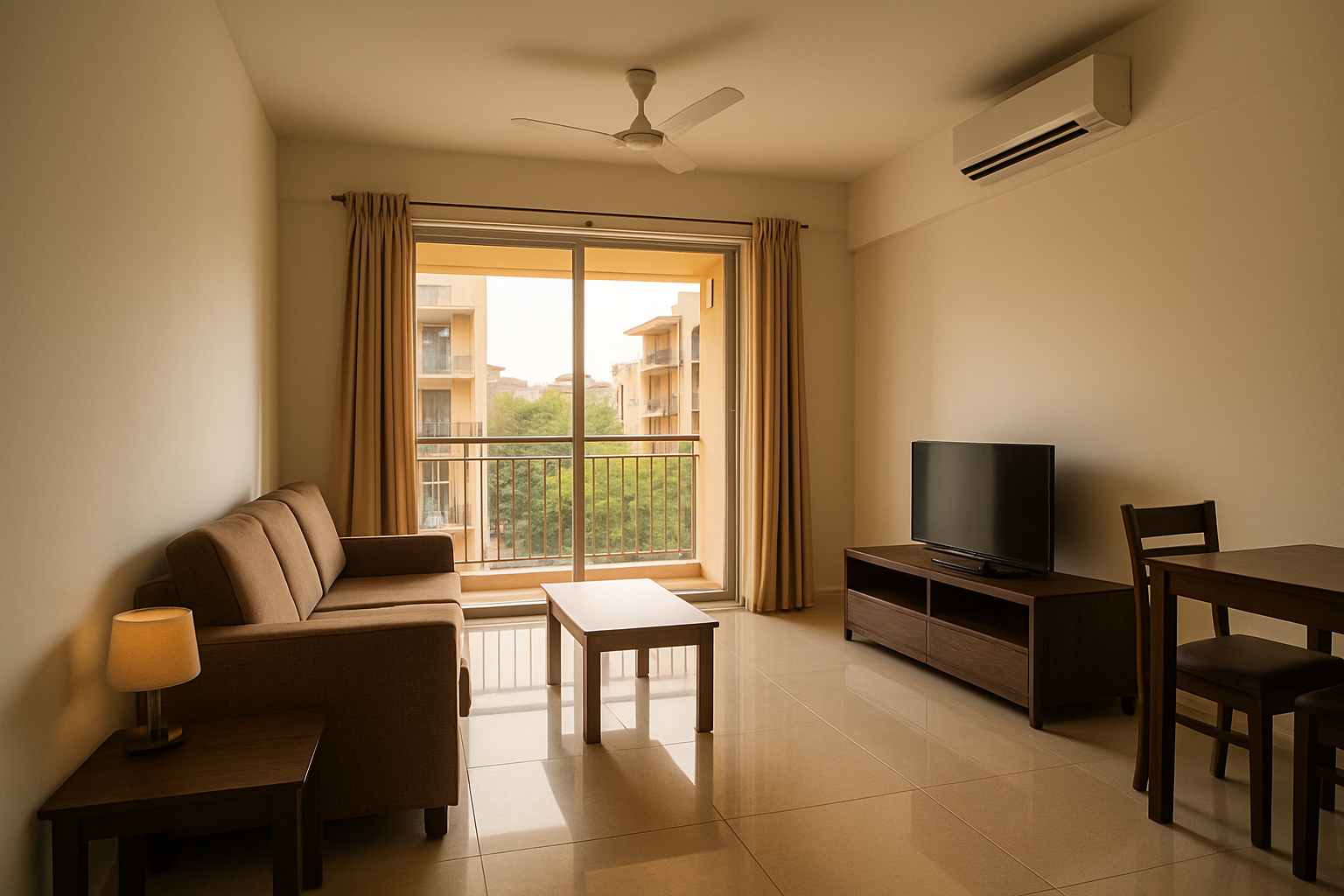
Lighting matters more than most sellers realize. Replace any dead bulbs. Add brighter bulbs in dim rooms. Open all curtains and blinds before photos or viewings. Dark rooms photograph poorly and feel smaller in person.
One homeowner in Hyderabad skipped this step. Listed his property as-is, thinking buyers would see past the clutter. His first three viewings ended in less than 10 minutes. After he decluttered, repainted one accent wall, and deep-cleaned, the fourth viewing turned into an offer. Same property. Different presentation.

Step 3: Take Photos That Sell the Space — Not Just Document It
Photos are the first filter. Most buyers decide whether to enquire based on the first three images. If those don’t work, your description doesn’t even get read.
Natural light is everything. Shoot during the golden hour if possible — early morning or late afternoon when light is soft. If not, shoot midday with all lights on and curtains open. Never shoot at night unless you’re highlighting evening ambiance for a terrace or balcony.
Shoot from corners to capture the most space. Stand in one corner of a room and shoot diagonally toward the opposite corner. This makes rooms look larger and gives context. Avoid shooting straight into walls — it flattens perspective.
Include every room, even the less impressive ones. Bathroom, kitchen, balconies, storage areas, parking spot. Buyers want to see everything. Hiding a room makes them suspicious. Show it honestly.
Take 15 to 20 photos minimum. Wide shots of each room, detail shots of finishes, exterior shots of the building, shots of amenities if you’re in a complex, and neighborhood shots showing nearby infrastructure. Variety builds confidence.
Avoid filters that change colors. You can adjust brightness and contrast slightly, but don’t make your beige walls look white or your small balcony look like a terrace. Buyers will notice the difference in person, and trust evaporates instantly.
Hire a photographer if your phone camera isn’t good enough. A professional real estate shoot costs ₹3,000 to ₹8,000 depending on city and property size. That’s a rounding error compared to the sale price, and the quality difference is visible immediately.
A channel partner in Mumbai tested this. He listed two identical flats in the same building — one with professional photos, one with phone photos taken by the owner. The professionally shot flat got 63% more enquiry calls. The visual quality mattered that much.
Step 4: Write a Description That Informs, Not Sells
Your description isn’t an advertisement. It’s a filter. You’re not trying to convince everyone to visit — you’re trying to help the right buyers recognize this is worth their time.
Start with facts. Carpet area in square feet, number of bedrooms, bathrooms, balconies, floor number, total floors in building, age of construction, facing direction, furnishing status, parking included or not. Put this in the first two sentences. Buyers scan fast. Give them the numbers upfront.
Then add context. What’s near the property? Metro station 800 meters away. School within walking distance. Hospital, market, main road access. Mention infrastructure that affects daily life. Don’t say “prime location” — say what makes it prime.
Describe condition honestly. If it’s a resale property, mention recent upgrades. New modular kitchen installed in 2024. Freshly painted in 2025. Bathroom fittings replaced. If it’s older and hasn’t been renovated, don’t pretend. Say it’s well-maintained original condition. Honesty builds trust.
Mention any unique features. Corner flat with cross-ventilation. Covered parking for two cars. Extra storage room. Balcony with unblocked view. These are differentiators — highlight them.
Keep it under 150 words. Buyers skim. Long paragraphs get ignored. Use short sentences. Write like you’re answering someone’s question, not pitching them.
Avoid fluff. “Spacious,” “luxurious,” “beautiful” mean nothing without context. Instead of “spacious living room,” say “living room 18 x 14 feet.” Numbers are concrete. Adjectives are noise.
One seller kept writing “perfect for families” in every description. Enquiries were random and unqualified. When he switched to factual descriptions with dimensions and proximity details, enquiry quality improved noticeably. Right buyers self-selected.
Step 5: Choose the Right Platform to List Your Property
Not all listing platforms work the same way. Some charge subscription fees. Others take commissions. Some focus on brokers. Others let owners list directly. Where you list property for sale affects who sees it and how fast it moves.
Free platforms like Freeperty let you post property ads without upfront costs or subscription fees. You’re not locked into paying before you know if the platform works. It’s a straightforward model — list, get visibility, connect with buyers. For individual owners and small brokers, this removes a major friction point.
Paid platforms often claim premium placement or better leads. Sometimes that’s true. Sometimes you’re paying for the same visibility you’d get elsewhere for free. Test both. List on one free platform and one paid platform. Track which generates better enquiries over two weeks. Let data decide, not assumptions.
SEO-driven platforms create individual pages for each property. This is important. When someone searches “3BHK flat in Whitefield Bangalore” on Google, your listing can show up organically. That’s free search traffic — buyers finding you without you spending on ads. Platforms that treat each listing as a searchable landing page give you this advantage.
Posting property ads on multiple platforms isn’t double work if you prepare once. Take your photos, write your description, gather your details. Then distribute across platforms. More visibility equals more chances. Just make sure your contact details are updated everywhere so enquiries don’t get lost.
Avoid platforms that hide contact details behind paywalls or broker gates. Buyers want direct access. Friction kills momentum. The easier it is for a serious buyer to reach you, the faster you move.
Step 6: Respond Fast and Qualify Leads Without Wasting Time
An enquiry is not a buyer. It’s a signal of interest. Your job is to figure out quickly whether that interest is serious or casual.
Respond within 2 hours if possible. Buyers enquire on multiple properties. First response often wins the viewing. If you take two days to reply, they’ve already moved on.
Ask qualifying questions immediately. Are they looking to buy in the next 30 to 60 days or just browsing? Is their budget aligned with your asking price? Are they pre-approved for a loan or paying cash? Do they need to sell another property first? These questions aren’t rude — they’re efficient. You’re both saving time.
A broker in Delhi used to schedule viewings with everyone who called. He spent entire weekends showing properties to people who weren’t ready to transact. Then he started asking three questions upfront: timeline, budget confirmation, and financing status. His viewing-to-offer conversion rate jumped from 11% to 34% because he stopped wasting time on unqualified leads.
Be clear about your terms during the first conversation. Is your price firm or negotiable? What documents are ready? When can possession happen? Is there any legal issue like ongoing litigation or unclear title? Transparency upfront avoids surprises later. Buyers appreciate straight answers.
If someone sounds serious, schedule the viewing fast. Within 48 hours ideally. Momentum matters. Delay gives them time to see other properties and lose interest in yours.
Step 7: Handle Viewings Like a Professional — Even If You’re Not One
The viewing is where listings convert or die. Photos got them interested. The in-person experience decides if they make an offer.
Be present but not pushy. Greet them, introduce the space, then step back. Let them explore. Answer questions when asked. Don’t follow them room to room narrating every feature. Buyers need space to imagine themselves living there.
Point out practical details. Where the morning sun comes in. How the cross-ventilation works. Why the kitchen layout is efficient. Storage space. Water pressure. Backup power. Things they might not notice immediately but will appreciate once mentioned.
Have documents ready to show. Sale deed, property tax receipts, building plan approval, NOC if applicable, occupancy certificate, latest utility bills. You don’t hand these over during the viewing, but having them available signals seriousness. Buyers trust sellers who are organized.
Address concerns directly. If they ask about a crack in the wall, don’t deflect. Explain it. If they notice noise from the street, acknowledge it. Trying to hide issues makes buyers suspicious. Being honest about flaws while highlighting strengths builds credibility.
One seller kept dodging questions about water supply issues in his building. Three viewings, three ghosted follow-ups. When he finally got honest and explained that the building had a specific water schedule but a 10,000-liter reserve tank, a buyer appreciated the transparency and moved forward.
Step 8: Negotiate Clearly and Close Without Drama
An offer is a starting point, not an insult. Even if it’s lower than you’d like, it’s a signal that the buyer sees value. Your response determines whether it moves toward a deal or ends.
Counter with logic, not emotion. If they offer ₹15 lakhs below asking, don’t just say no. Ask why they arrived at that number. Maybe they noticed needed repairs you didn’t account for. Maybe comparable sales in the area are lower than you thought. Understand their reasoning before you counter.
Be willing to move, but know your floor. Decide before negotiations start what your absolute minimum acceptable price is. That’s your walk-away number. Anything above that is negotiable. Anything below isn’t.
Separate price from terms. Sometimes a buyer can’t meet your price but can offer faster closing, all-cash payment, or flexibility on possession date. These have value. A deal that closes in 30 days at ₹5 lakhs less might be better than one that drags for 4 months at full asking price.
Once you agree on terms, put it in writing immediately. A simple email confirming price, timeline, and conditions is enough to start. Then move to token money and formal sale agreement. Momentum dies in delays. Keep things moving.
A developer in Noida lost two deals in 2025 because he kept renegotiating after verbal agreements. Buyers lost trust and walked. In 2026, he started documenting terms immediately after verbal agreement. His close rate improved because buyers felt the deal was real, not tentative.
Common Mistakes That Kill Property Listings
Overpricing out of ego is the biggest one. You’re not pricing what you wish the property was worth — you’re pricing what buyers will actually pay. Market rate isn’t negotiable. Your opinion is.
Posting bad photos is a close second. If your photos are dark, blurry, or cluttered, buyers skip your listing entirely. You don’t get a second chance to make a first impression.
Writing vague descriptions wastes everyone’s time. “Well-maintained flat in good location” tells buyers nothing. Give dimensions, specifics, and nearby infrastructure.
Listing on only one platform limits your reach. Buyers search across multiple sites. Be everywhere your buyers are looking.
Being slow to respond kills momentum. A buyer who waits two days for your reply has already moved on to three other properties.
Hiding problems during viewings destroys trust. Buyers will discover issues during due diligence. If you weren’t honest early, the deal falls apart.
Not having documents ready signals disorganization. Buyers worry that closing will be complicated. Smooth process starts with preparation.
Frequently Asked Questions
How much does it cost to list property for sale online in India?
It depends on the platform. Some charge monthly subscriptions ranging from ₹2,000 to ₹15,000, others take commission on sale, and some like Freeperty are completely free with no hidden charges. Test free platforms first before committing to paid ones. Track which gives you better enquiry quality, not just enquiry volume.
What documents do I need before listing my property?
You need the original sale deed, property tax receipts, building plan approval, NOC from society or builder, occupancy certificate if applicable, latest utility bills, and encumbrance certificate showing clear title. Having these ready before listing speeds up negotiations because buyers see you’re prepared. Missing documents raise red flags and slow everything down.
Should I list through a broker or sell directly as an owner?
Depends on your bandwidth and experience. Brokers handle viewings, negotiations, and paperwork for 1-2% commission. If you have time and understand the process, selling directly saves that fee. Many owners list on both models — direct on free platforms and through brokers for wider reach. It’s not either-or. Test what works for your situation.
How long does it usually take to sell a property after listing?
In active markets, well-priced properties with good photos move in 30 to 60 days. Overpriced or poorly presented listings sit for 4 to 6 months or longer. Timeline depends on location, property type, pricing accuracy, and how well you’ve prepared the listing. Adjust pricing if you’re not getting serious enquiries within the first three weeks.
Can I edit my property listing after posting it?
Yes, on most platforms including Freeperty. If you’re not getting enquiries, revisit your photos, rewrite your description, or adjust your price. Listings aren’t set in stone. Treat them like experiments. Track what changes improve response rates. The ability to iterate is one advantage of selling property online — you’re not locked into your first version.
Ready to List Your Property the Right Way?
Posting property ads that actually attract buyers isn’t complicated — but it does require intention. The price needs to match market reality. The photos need to show the space honestly and attractively. The description needs to inform without fluff. And the platform needs to give you visibility without unnecessary cost.
Freeperty is built for exactly this — helping property owners and brokers list property for sale without subscription fees or hidden charges. Each listing gets its own searchable page, which means buyers can find your property organically through Google and other search engines. You’re not paying for visibility. You’re earning it.
If you’re ready to list, head to Freeperty’s registration page, create your account, and start posting. The process takes less than 10 minutes. No fees. No fine print. Just a straightforward way to get your property in front of buyers who are actively searching.