
Farmland Investment Opportunities Rural India: 4 Myths That Cost Buyers Crores
Discover what really works when buying agricultural land in rural India in 2026. Real returns, real risks, and the truths most platforms won’t tell you.
Farmland Investment Opportunities Rural India: 4 Myths That Cost Buyers Crores
Here’s what nobody tells you about farmland investment opportunities in rural India until after you’ve signed the papers.
Most first-time buyers approach agricultural land with either wildly optimistic projections or a checklist copied from someone else’s success story. Both approaches fail for the same reason — they ignore the ground reality of what makes rural property actually appreciate. At Freeperty, we’ve watched hundreds of listings go live across rural pockets of India, and the properties that move fastest aren’t the ones with the most land. They’re the ones where buyers did their homework on access, documentation, and regional crop economics before ever placing a call.
That homework is exactly what this article unpacks. Not the usual talk about “organic farming potential” or “weekend getaway dreams” — the actual mechanics of buying, holding, and profiting from agricultural land in 2026. You’ll find numbers where we have them, honest warnings where we don’t, and four specific myths that separate profitable farmland investments from expensive mistakes.
Myth 1: Farmland Always Appreciates Because Land Is Scarce
This one sounds logical. India’s growing, land is finite, rural property must go up in value.
Except it doesn’t — not uniformly, and not predictably. We’ve seen agricultural land listings on Freeperty sit untouched for months in areas where sellers expected 15 to 20 percent annual appreciation based purely on this logic. Meanwhile, plots in neighbouring talukas with better road access or proximity to upcoming agro-processing units move within weeks at higher prices.
Scarcity alone doesn’t drive farmland value. Usability does. A 5-acre plot two kilometers from a paved road with no reliable water source won’t appreciate at the same rate as a 2-acre parcel next to a highway with borewells and grid power — even if the larger plot is technically “rarer.” Buyers who chase acreage over infrastructure end up holding illiquid assets.
Here’s the better framework: farmland appreciates when something around it changes. A new highway gets announced. A food processing plant opens nearby. A regional crop shifts from rain-fed to drip irrigation, making smaller plots suddenly viable. The land itself doesn’t change — the ecosystem around it does.
One example from Nashik district in Maharashtra. Farmland near the Samruddhi Expressway corridor saw inquiries triple between late 2024 and early 2026, not because buyers suddenly discovered farming, but because logistics companies started eyeing rural warehousing locations along the route. Sellers who listed early on platforms like Freeperty — where each property becomes a searchable landing page with area context — captured that wave. Sellers who waited for “more appreciation” watched inventory flood the market as everyone else caught on.
Scarcity is static. Context is dynamic. Bet on context.
Myth 2: You Need Crores to Enter Farmland Investment
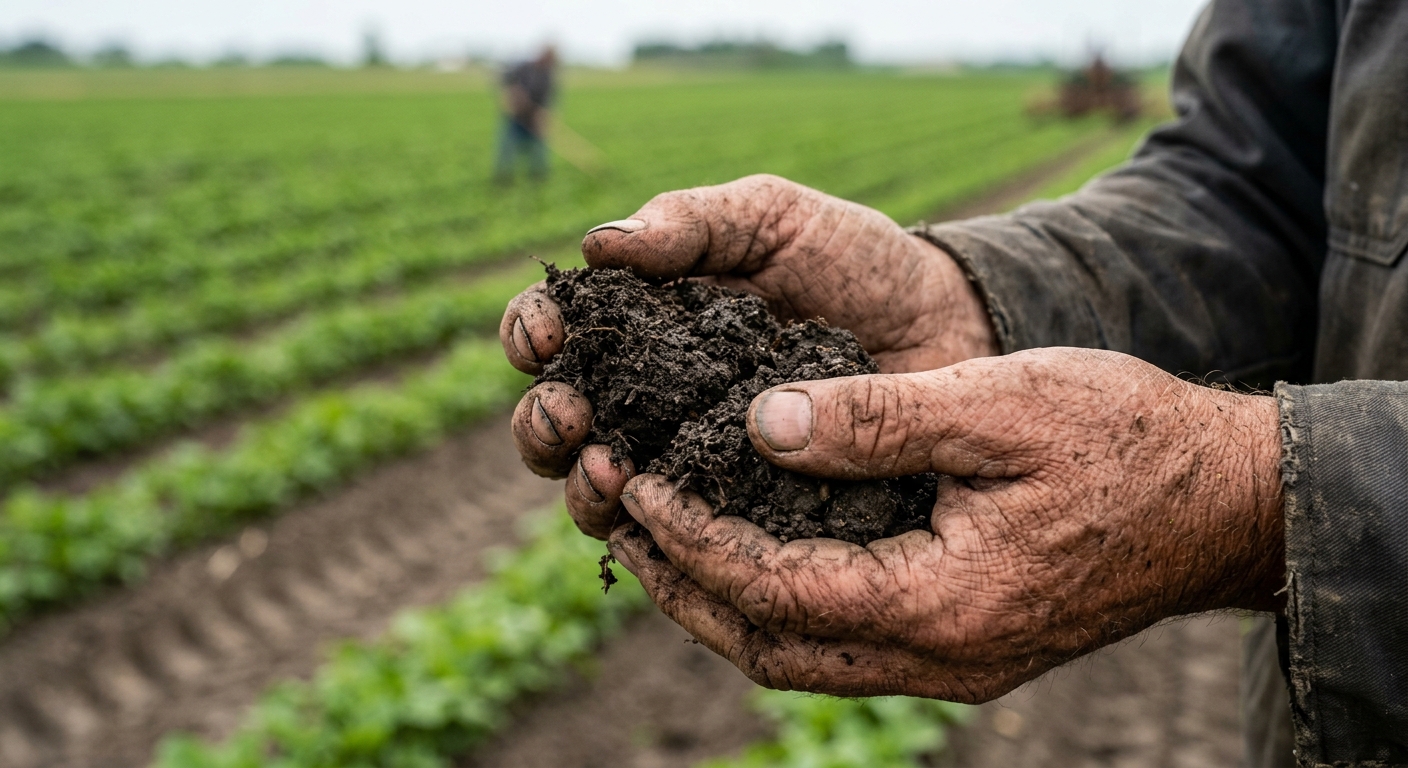
This belief keeps more people out of agricultural land investment than any other single factor. The assumption that rural property is only for the ultra-wealthy or institutional buyers creates a psychological barrier that has no basis in 2026 market reality.
You don’t need crores. You need clarity. Small-format farmland — plots between 1 and 3 acres — is widely available across rural India at entry points between ₹10 lakh and ₹50 lakh, depending on state, crop viability, and proximity to towns. These aren’t unproductive wastelands. They’re working agricultural parcels, often leased to local farmers, generating modest annual income while the buyer holds for appreciation.
The shift happened quietly over the past three years. As more NRIs, small business owners, and salaried professionals started exploring farmland as a hedge against urban real estate volatility, sellers began subdividing larger holdings into buyer-friendly sizes. Platforms like Freeperty accelerated this by giving individual owners and small brokers the same listing visibility that used to require expensive newspaper ads or exclusive broker networks.
Take a 2.5-acre mango orchard listing we saw in Ratnagiri. Priced at ₹32 lakh, maintained by a local farmer on a crop-share basis, 8 kilometers from the nearest town with a concrete approach road. The buyer was a Pune-based IT consultant who had never owned agricultural land before. His entry cost was roughly what a mid-tier car would have been — but his asset was appreciating at a pace no vehicle ever would.
The real barrier isn’t money. It’s access to well-documented, transparent listings where you can evaluate the property without traveling blind or relying on a single broker’s word. That’s the gap free property discovery platforms solve — putting rural inventory in front of buyers who wouldn’t otherwise know it existed.
If you have ₹20 lakh liquid and you’ve been sitting on the sidelines thinking farmland is out of reach, you’re not priced out. You’re just looking in the wrong places.
Myth 3: Agricultural Land Can’t Be Sold to Non-Farmers Anywhere in India
This one stops buyers cold. The belief that you must be a registered farmer or prove agricultural income to purchase farmland in India is both partly true and dangerously oversimplified.
Here’s what’s actually true in 2026: land purchase rules vary dramatically by state, and several states have either relaxed or never strictly enforced agricultural buyer restrictions. Maharashtra allows non-agriculturists to buy farmland up to certain limits without special permission. Karnataka reformed its land laws to permit easier non-farmer purchases in designated zones. States like Himachal Pradesh and Uttarakhand maintain stricter controls. Rajasthan, Gujarat, and parts of Madhya Pradesh fall somewhere in between.
The myth persists because sellers and even some brokers repeat outdated rules or conflate crop-growing activity with ownership eligibility. They’re not the same thing. You don’t have to farm the land yourself to own it legally — you just need to comply with state-specific buyer criteria, which in many cases now include non-agriculturist categories like investment holding, agro-tourism, or horticulture.
Due diligence matters more than blanket assumptions. Before pursuing any farmland listing, check three things: the state’s current land ceiling and buyer eligibility laws, whether the specific taluka or district has additional restrictions, and whether the land’s classification in revenue records matches what the seller claims. A 7/12 extract in Maharashtra or an RTC in Karnataka will show you land classification, ownership history, and encumbrances — this is non-negotiable homework.
We’ve seen buyers walk away from solid opportunities because they assumed all agricultural land was off-limits, and we’ve seen others get stuck in legal tangles because they assumed no restrictions existed. Neither extreme is accurate. The reality is state-dependent and often more accessible than buyers expect — but only if you verify first.
If you’re an NRI, a salaried professional, or a first-time rural property buyer, don’t let this myth kill your search. Just factor legal verification into your timeline and budget. Most credible property consultants or revenue lawyers will review documentation for ₹5,000 to ₹15,000 — cheap insurance against a bad purchase.
Myth 4: Farmland ROI Comes Only from Selling After Years
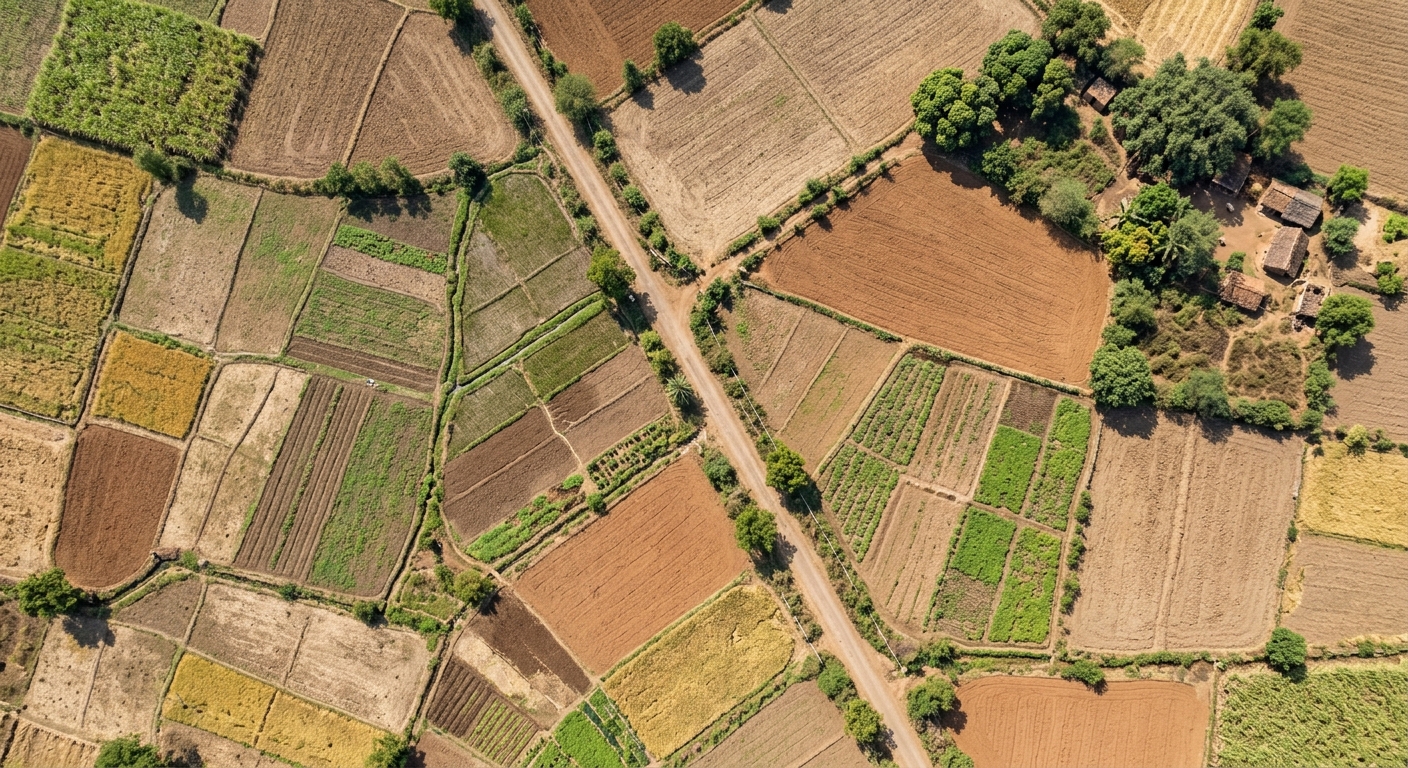
Here’s the quietest myth — and the one that causes the most regret. Buyers treat agricultural land like a locked deposit: purchase it, forget it, sell it in a decade, hope for appreciation. That’s not wrong, but it’s leaving money and optionality on the table.
Farmland in 2026 offers multiple return layers if you set it up right. Lease income from local farmers. Agro-tourism or farm-stay weekend revenue. Crop-share agreements where you take a percentage of harvest value. Renewable energy leasing — solar panel installations on unused plots are generating ₹40,000 to ₹80,000 annually per acre in states with good grid buyback policies. Even timber plantations on marginal land can mature into six-figure payouts within 8 to 12 years.
None of these require you to become a full-time farmer. They require you to think of the land as an operating asset, not a speculative one. The difference is how you structure the purchase and what you negotiate upfront.
One Freeperty listing in Coorg caught attention last year — a 4-acre coffee estate priced at ₹85 lakh. The seller included a handover agreement with the resident farmer who’d been managing the plantation for a decade. The buyer, a Bengaluru entrepreneur, kept the arrangement in place. He visits twice a year, the estate generates around ₹3 lakh in annual net income after costs, and the land itself has appreciated roughly 12 percent year-on-year since purchase. His ROI isn’t waiting for an exit. It’s compounding while he holds.
Compare that to a buyer who purchased 3 acres of fallow land in the same district, did nothing with it, and is now trying to sell at a loss because property taxes and maintenance eroded his capital while the land sat idle. Same region, same timeframe, completely different outcomes.
The myth that you must wait years for a sale to see returns is a wealth-destroying belief. If your farmland isn’t generating something — income, utility, or strategic optionality — while you hold it, you’re investing wrong. Structure it to work from day one, and appreciation becomes a bonus, not the entire bet.
What Actually Drives Farmland Value in Rural India Right Now
Forget the myths. Here’s what moves the needle on agricultural land investment in 2026 — factors you can research, verify, and bet on with reasonable confidence.
Infrastructure proximity is the single biggest value driver. Farmland within 5 kilometers of a national or state highway, especially in states with active industrial or logistics corridor development, appreciates faster than remote rural plots with identical soil quality. Connectivity translates to buyer demand, and buyer demand drives price. If you’re evaluating two similar listings, pick the one closer to paved roads and mobile network coverage. It’s not romantic, but it’s profitable.
Water access is the second non-negotiable. Land with borewells, canal irrigation, or river proximity holds value even in drought years. Rain-fed agriculture is viable in some regions, but it introduces yield volatility that scares off buyers and lowers resale liquidity. When you filter farmland listings on Freeperty or any other platform, prioritize properties where water isn’t a prayer — it’s infrastructure.
Crop economics matter more than soil romanticism. Buyers love the idea of “black soil” or “red laterite” but ignore the actual crops those soils support and the market demand for those crops. A plot suitable for high-value horticulture — mangoes, pomegranates, dragon fruit, coffee — will outperform generic paddy or wheat land in appreciation and income potential. Research what grows profitably in the region you’re targeting, not just what’s traditionally grown there.
Documentation clarity is your exit insurance. Land with clear title, updated revenue records, no litigation history, and easy transferability will always sell faster and at better prices than parcels with “minor” documentation issues. Minor issues become major obstacles when you need liquidity. If a seller hesitates to show 7/12 extracts, encumbrance certificates, or mutation records, walk away. The discount you think you’re getting will cost you double on the backend.
Local area growth signals — new schools, hospitals, agro-processing units, upcoming industrial parks, or even increased mobile tower density — tell you where rural infrastructure is headed. These signals show up months or years before they reflect in land prices. Platforms like Freeperty now include area guides and infrastructure updates alongside listings, making it easier to spot these patterns without needing insider knowledge or broker speculation.
One underrated signal: increasing listing activity in a specific taluka or panchayat on open property discovery platforms. When multiple sellers start listing farmland in the same area within a short window, it often means either distress selling — which is a negotiation opportunity — or early awareness of upcoming development that hasn’t gone public yet. Both scenarios create asymmetric information advantages for buyers who move quickly and verify thoroughly.
How to Evaluate Farmland Listings Without Getting Played
You’ve found a listing. The price seems fair. The photos look decent. Now what? Here’s the filter every serious buyer should run before scheduling a site visit — let alone transferring funds.
Start with the listing platform itself. Is it a free, transparent marketplace like Freeperty where multiple sellers and brokers compete, or a closed, subscription-gated site where inventory is controlled and prices are opaque? Open platforms give you pricing context — you can compare similar listings in the same area, spot outliers, and gauge whether a seller’s ask is realistic or aspirational. Closed platforms often inflate expectations because sellers have no competitive pressure.
Check the listing detail quality. Vague descriptions like “fertile land, good location, investment opportunity” are red flags. Serious sellers or their representatives include survey numbers, exact acreage, village and taluka names, distance to key landmarks, water sources, current land use, and price per acre. If basic facts are missing, the seller either doesn’t know their own property or doesn’t want scrutiny — neither is a good sign.
Look for searchability. A listing that becomes a dedicated landing page with SEO-driven visibility — like what Freeperty creates for each property — signals a seller who wants genuine discovery, not just broker circulation. It also means the listing is more likely to have been vetted for basic accuracy, since public visibility invites public questions.
Contact the seller or listing agent directly. Ask for revenue records upfront — 7/12 in Maharashtra, chitta and patta in Tamil Nadu, RTC in Karnataka, khasra and khatauni in UP and MP. If they promise to “show you during the visit,” push back. Documentation should be scannable and shareable before you invest time in travel. Legitimate sellers have these records ready. Sketchy ones stall.
Run a preliminary title check. Revenue records are public in most states and accessible online or through local talathi offices for nominal fees. If the listing claims the land is clear but you spot multiple ownership entries, pending litigation flags, or classification mismatches, you’ve just saved yourself a costly mistake. This step takes an hour and costs less than ₹500 in most cases — there’s no excuse to skip it.
Visit during off-season if possible. Farmland looks beautiful during harvest or monsoon. Visit during summer or dry months, and you’ll see the real water situation, road conditions, and how accessible the plot actually is when weather isn’t cooperating. If a seller pressures you to visit only during a specific “ideal” window, be skeptical.
Talk to neighboring farmers or landowners. Local intelligence is invaluable. Ask about water table levels, flooding history, road conditions during monsoon, any disputes in the area, and whether the land has been actively farmed or left fallow. Neighbors have no incentive to exaggerate, and they’ll often tell you things the seller conveniently forgot to mention.
This evaluation process isn’t glamorous. It won’t fit in an Instagram story. But it’s the difference between buying an appreciating asset and funding someone else’s exit from a problem property.
The Real Opportunity: Farmland Discovery in 2026 is Finally Transparent
For decades, agricultural land buying in rural India was gatekept. You needed broker connections, local family ties, or insider knowledge to even hear about available plots before they sold. Pricing was opaque, listings circulated privately, and first-time buyers had almost no way to evaluate deals without taking someone’s word for it.
That era is ending. Not because sellers suddenly became more ethical, but because free property listing platforms changed the incentive structure. When listing a property costs nothing and reaches national search traffic, sellers have no reason to keep inventory hidden. When every listing becomes a searchable landing page, price discovery happens in the open. When buyers can compare dozens of options across districts and states without paying subscription fees, negotiating power shifts.
Freeperty built its model on exactly this shift. No listing fees. No hidden charges. No paywalled property searches. Just an open marketplace where owners, brokers, channel partners, and developers compete for buyer attention by offering better transparency, better documentation, and better value. It’s not charity — it’s better economics. Searchability rewards quality listings, and quality listings attract serious buyers.
This model is expanding access to farmland investment faster than any policy reform ever did. Buyers who would never have considered rural property because they didn’t know where to start are now browsing listings with location intelligence, price trends, and area growth stories built in. Sellers who couldn’t afford ₹20,000 monthly subscriptions on legacy portals are getting visibility that drives actual inquiries.
The opportunity isn’t just the land itself — it’s the timing. You’re entering the market at the exact moment when information asymmetry is collapsing. Early movers in transparent discovery platforms get first look at inventory before word spreads through traditional broker networks. That’s a structural edge, and it’s available right now to anyone willing to do the research.
If you’ve been waiting for the “right time” to explore farmland investment opportunities in rural India, this is it. Not because prices are low — some areas are already heating up — but because you can finally see what you’re buying before you buy it.
Frequently Asked Questions
Can NRIs legally buy agricultural land in India in 2026?
NRIs cannot directly purchase agricultural land in India under current FEMA regulations. However, NRIs can inherit agricultural property from family, and in some states they can purchase land reclassified for non-agricultural use or invest through domestic relatives. Always verify state-specific rules and consult a property lawyer before proceeding.
What is the minimum investment required for farmland in rural India?
Entry points start as low as ₹10 lakh for 1 to 2 acre plots in states like Madhya Pradesh, Maharashtra, and Karnataka, depending on location and crop viability. Premium areas near infrastructure or with established horticulture can range from ₹30 lakh to ₹1 crore for similar acreage. Budget for an additional 8 to 10 percent for registration, legal verification, and transaction costs.
How do I verify farmland ownership and title before buying?
Obtain and review the property’s revenue records — 7/12 extract in Maharashtra, RTC in Karnataka, or equivalent in your target state. Check the encumbrance certificate for the past 30 years to spot litigation or disputes. Hire a local property lawyer or consultant to physically verify survey boundaries and cross-check records with the local talathi or revenue office.
What returns can I realistically expect from farmland investment in 2026?
Capital appreciation varies by location but typically ranges from 6 to 12 percent annually in well-connected rural areas with infrastructure growth. Lease or crop-share income can add another 3 to 6 percent annually depending on land use and crop type. Returns are highly location-dependent — do not assume uniform appreciation across all rural property.
Ready to Explore Farmland Listings Across Rural India?
Farmland investment isn’t for everyone. It requires patience, verification, and a willingness to learn regional quirks that no article can fully cover. But if you’ve read this far, you’re already ahead of most buyers who dive in based on myths and optimism.
Freeperty makes the discovery part simple. Browse free agricultural land listings across India, filter by state, district, and price range, and access area-specific insights that help you spot real opportunities before they become obvious to everyone else. No subscriptions. No gatekeeper fees. Just transparent property discovery built for buyers who do their homework.
Start your search today at Freeperty. Whether you’re a first-time investor, an NRI exploring options, or someone looking to diversify beyond urban real estate, the right farmland listing is already waiting — you just need to know where to look and what questions to ask.