
You’re scrolling through farmland listings, and every single one looks the same. “Agricultural plot for sale near Pune” could mean anything from red soil wasteland to fertile black soil with drip irrigation already in place. The price tags don’t help either—some plots quote ₹10 lakh per acre while others demand ₹30 lakh for land that looks identical on Google Earth.
Here’s what most buyers miss: location matters, but soil quality and water access matter more. We’ve seen investors buy cheap plots in scenic areas only to discover the land won’t grow anything without massive input costs. That’s expensive window shopping.
This isn’t a generic list. Every plot mentioned here is a real location you can visit this month, with actual details on soil type, water availability, and realistic pricing based on 2026 rates. If you’re looking at agricultural plots near Pune—whether you’re a first-time farming enthusiast or an NRI investor exploring managed farmland—you need to know what you’re actually buying before you sign anything.
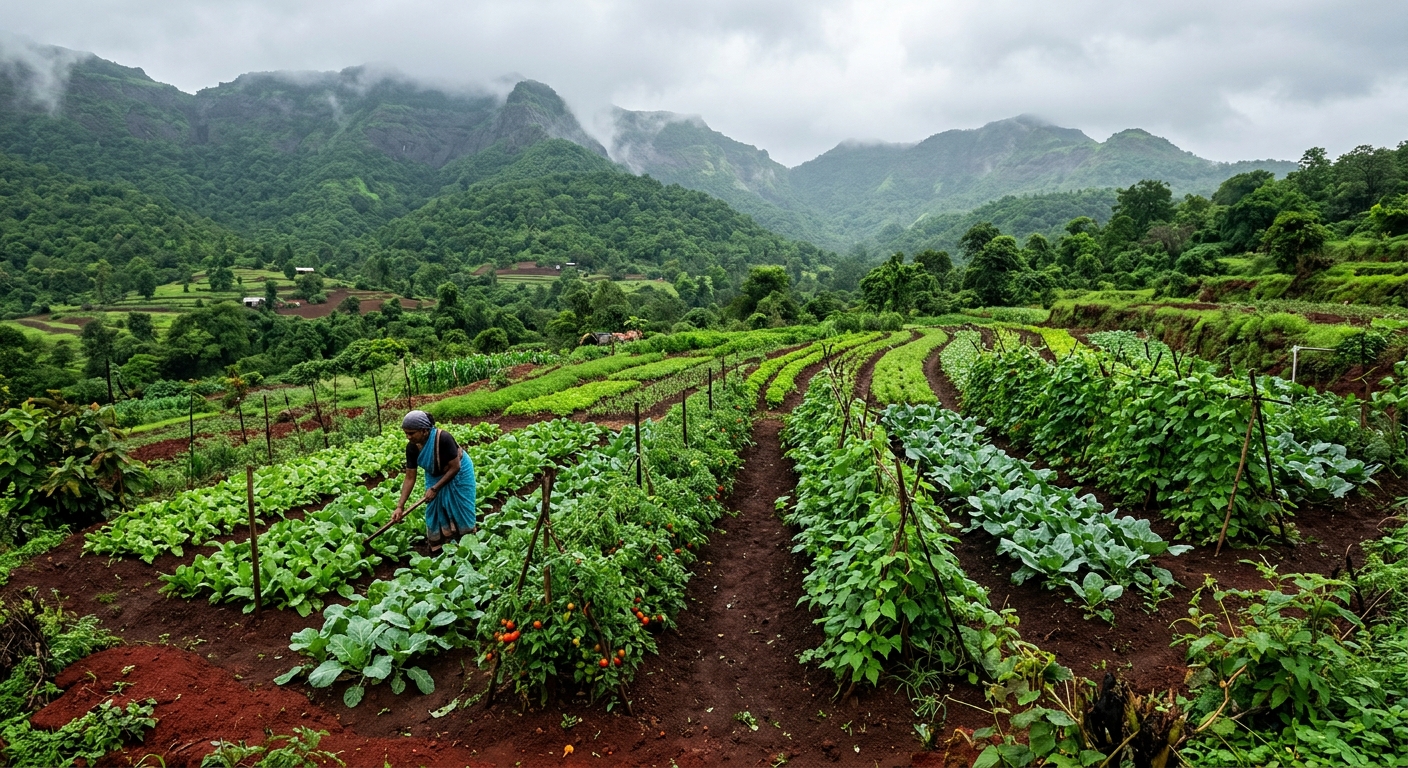
Why Agricultural Plots Near Pune Are Getting Serious Attention Right Now
Pune’s farmland market changed in the last two years. Not because of some new government scheme, but because buyers finally started asking the right questions.
The old pitch was simple: buy agricultural land, watch it appreciate, sell when the city expands. That still happens, but appreciation isn’t guaranteed anymore. What is guaranteed? Rising input costs, stricter land use rules, and a new generation of buyers who actually want to farm—not just park money and hope.
In 2026, the smart money is on plots that can generate income while you hold them. Organic farming, weekend farm-stays, contract farming for exporters—these aren’t trends anymore. They’re business models. And Pune’s proximity to Mumbai and growing agro-processing hubs makes it one of the few regions where farmland can pay for itself within five years if you pick the right location and crop.
But here’s the friction: most listings don’t tell you if the plot has year-round water, whether the soil is acidic or alkaline, or if the electricity connection exists or not. You’re expected to figure that out after paying the token amount. That’s backwards.
Bhor Taluka: Black Soil and Dam View Plots Starting at ₹10 Lakh Per Acre
Bhor sits about 50 kilometres south of Pune on the NH 48 corridor. The area’s known for two things: black cotton soil and consistent water availability from nearby dams and canals.
One of the most talked-about projects here is a 10-acre dam view agricultural plot listed on Ecolandmark. The asking price is ₹30 lakh total—that’s ₹3 lakh per acre, which is higher than the ₹10 lakh per acre average for Bhor, but you’re paying for direct dam proximity and developed access roads. The plot’s already subdivided, so you can buy as little as one acre if you’re testing the waters.
What makes Bhor work? The soil. Black soil retains moisture longer than red or laterite soil, which means lower irrigation costs during summer months. We’ve seen organic vegetable farmers here cut their water usage by nearly 40% compared to similar plots in Daund or Baramati.
The downside? Bhor’s still developing its road connectivity. Monsoon flooding is a real issue on some internal village roads, and electricity supply can be patchy in non-village zones. Visit during July or August before you commit—that’s when you’ll see which plots actually drain well and which ones turn into seasonal ponds.
Mulshi: Eco-Village Projects and Organic Farming Clusters
Mulshi’s landscape is completely different from Bhor. You’re closer to the Western Ghats here, which means better rainfall, cooler temperatures, and red laterite soil instead of black cotton.
Maivanarai Agro Farm is one of the first Eco-Village themed projects in Mulshi, located near the NH 166C highway that connects Pune to Dighi Port. The project’s designed around organic farming, which is a fancy way of saying they won’t let you use chemical fertilisers or pesticides if you buy a plot here. That’s a restriction for conventional farmers, but it’s a selling point for buyers targeting organic certification or niche crops like strawberries, exotic vegetables, or medicinal herbs.
Plot sizes here start at around 5 guntas (roughly 5,450 square feet) and go up to 2 acres. Pricing isn’t publicly listed, but based on similar Mulshi projects in 2026, expect anywhere from ₹15 lakh to ₹25 lakh per acre depending on exact location and existing infrastructure.
The real advantage? Mulshi’s already on the radar for weekend farm tourism. If you build a small farmstay or allow day visits, you’ve got a steady stream of Pune and Mumbai residents willing to pay ₹1,500 to ₹3,000 per day to “experience farm life.” That’s not passive income, but it offsets your maintenance costs while the land appreciates.
The catch? Water is seasonal unless you invest in a borewell. Mulshi gets heavy monsoon rains, but summer months can be dry. Most successful farms here have either a borewell or a rainwater harvesting setup. Budget at least ₹2 lakh for a borewell if the plot doesn’t already have one.
Pabal: Budget Plots for First-Time Farming Investors
Pabal sits about 40 kilometres northeast of Pune, off the Pune-Ahmednagar highway. It’s not scenic. It won’t make your Instagram look good. But it’s functional, and the prices reflect that.
Agricultural plots in Pabal typically range from ₹10 lakh to ₹15 lakh per acre, and you can find smaller parcels—5 to 10 guntas—if you’re not ready to commit to a full acre. The area’s popular with first-time investors who want to try farming without risking ₹30 lakh on a property they’ve never managed.
Soil quality varies. Some patches have decent black soil, others lean towards red soil that needs more organic amendment. The smart move here is to get a soil test done before you buy. It costs around ₹2,000 to ₹5,000 through local agricultural universities, and it’ll tell you exactly what crops will work and what inputs you’ll need.
Pabal’s strength is its access to Pune’s wholesale vegetable markets. You’re close enough to deliver fresh produce within two hours, which matters if you’re growing perishables like tomatoes, leafy greens, or flowers. We’ve seen small farmers here make ₹1.5 lakh to ₹2 lakh per acre annually from vegetable farming—not impressive by tech startup standards, but respectable for agricultural income.
The weak point? Electricity. Many plots here don’t have dedicated agricultural power connections, which means you’re either running a diesel pump (expensive and noisy) or waiting months for a connection. Ask the seller for proof of electricity availability before you close the deal.
Saswad: Water-Rich Zones and Contract Farming Opportunities
Saswad’s about 30 kilometres southeast of Pune, straddling the Pune-Solapur highway. The region benefits from the Bhama Askhed dam and several canal systems, which means consistent water availability even during lean monsoon years.
This is one of the few areas near Pune where contract farming actually works. Local agro-processing companies, especially those focused on export vegetables and fruits, actively look for farmers in Saswad willing to grow under contract. You get a guaranteed buyer, fixed pricing, and often free seeds and technical support. The downside is you lose pricing flexibility—if market rates spike, you’re still locked into your contract price.
Farmland prices here range from ₹18 lakh to ₹28 lakh per acre depending on proximity to the highway and existing infrastructure. Plots closer to the dam command a premium, but they’re worth it if you’re planning water-intensive crops like sugarcane, pomegranate, or grapes.
One thing we’ve noticed: Saswad attracts a lot of part-time farmers—people with full-time jobs in Pune who drive out on weekends to check on their plots. If that’s your model, budget for a farm manager or caretaker. Labour costs in Saswad run around ₹400 to ₹600 per day for unskilled work, higher for skilled tasks like pruning or drip system maintenance.
Velhe: Remote but High Appreciation Potential
Velhe’s about 45 kilometres southwest of Pune, and it’s remote. No sugar-coating that. The roads are average, mobile network coverage is patchy in some pockets, and amenities are limited.
So why mention it? Because it’s one of the last affordable zones near Pune where you can still buy agricultural land for under ₹10 lakh per acre. And if the proposed Pune Ring Road project actually moves forward in the next three to five years, Velhe’s connectivity will improve dramatically.
The soil here is mixed—some areas have red laterite, others have black soil. Water availability depends heavily on the specific village. Some villages have canal access, others rely entirely on borewells. Do not buy in Velhe without visiting the plot at least twice, ideally during different seasons.
We’ve seen a handful of organic farmers and permaculture enthusiasts set up in Velhe precisely because it’s remote and land is cheap. If you’re genuinely interested in farming as a lifestyle and not just an investment, this is one of the few areas where you can afford to experiment without catastrophic financial risk.
The gamble? Appreciation is speculative. If infrastructure doesn’t improve, your exit options are limited. But if it does, you’re holding land you bought at ₹8 lakh per acre that could easily double in value within a decade.
Khed Shivapur: Balanced Access and Moderate Pricing
Khed Shivapur sits between Pune and Satara, about 35 kilometres from Pune city limits. It’s accessible via NH 48, which means you’re not fighting bad roads, and it’s close enough to Pune for weekend visits but far enough to escape urban pricing.
Prices here hover around ₹15 lakh to ₹22 lakh per acre. You’re paying a bit more than Pabal or Velhe, but you’re getting better road access, more reliable electricity, and proximity to both Pune and Satara markets.
The area’s soil is predominantly black cotton soil, which works well for cereals, pulses, and vegetables. Water availability is moderate—most plots rely on borewells, but the water table is relatively stable compared to over-exploited zones closer to Pune.
Khed Shivapur’s also seeing some interest from weekend farm developers. If you buy a 2-acre plot, you can easily dedicate half an acre to a small cottage or farm shed and still have enough land for meaningful farming. That’s becoming a popular model—farm on 1.5 acres, rent out the cottage on Airbnb on weekends.
One caution: land ownership records in some villages here can be messy. Always insist on a title search and 7/12 extract verification before paying more than the token amount.
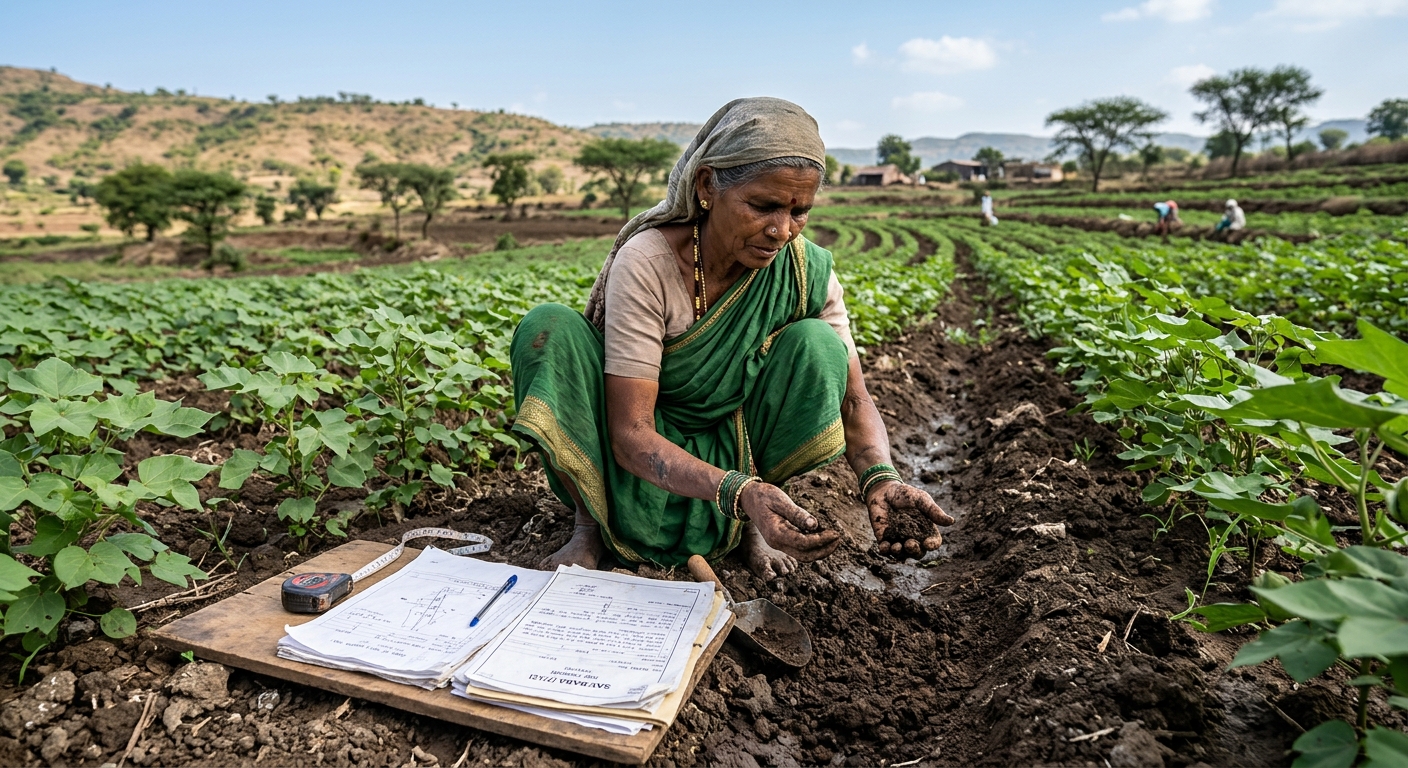
Shirur: Large Plots and Commercial Farming Viability
Shirur’s about 60 kilometres east of Pune on the Pune-Ahmednagar route. It’s not a weekend getaway zone—it’s a serious farming area with large plots, established irrigation systems, and a history of commercial agriculture.
If you’re looking at 5 acres or more, Shirur makes sense. Prices range from ₹12 lakh to ₹20 lakh per acre depending on exact location and water access. The soil is predominantly black, and many plots already have drip irrigation, borewells, and electricity connections in place.
This is where you’ll find contract farmers growing for food processing companies, sugarcane farmers, and even dairy operations with attached fodder cultivation. The area’s less about land appreciation and more about operational income.
But it’s not for hobbyists. If you’re buying in Shirur, you’re committing to either active farming or hiring a full-time farm manager. The commute from Pune is manageable but not convenient for casual weekend visits.
Rajgurunagar: Water Availability and Growing Infrastructure
Rajgurunagar (also called Khed) is about 45 kilometres north of Pune. The area benefits from the Kukadi river and has decent canal irrigation coverage, which is a big deal in a region where water stress is increasing year after year.
Farmland here runs from ₹18 lakh to ₹25 lakh per acre. You’re paying for water reliability and improving road connectivity. The Pune-Nashik highway isn’t far, and there’s talk of infrastructure upgrades in the next few years that could improve access further.
Rajgurunagar’s popular with vegetable and flower farmers targeting Pune’s wholesale markets. You’re close enough to deliver fresh produce daily, which matters if you’re growing crops with a short shelf life.
The area’s also seeing interest from agro-tourism developers. A few farm resorts have opened in the last two years, and they’re doing reasonably well with weekend visitors from Pune and Mumbai.
The weak spot? Land prices have already started climbing. If you’re expecting massive appreciation, you might be late. But if you’re planning to farm actively or develop agro-tourism, the fundamentals are solid.
Junnar: Emerging Organic Farming Hub
Junnar’s about 100 kilometres north of Pune, which makes it a stretch to call it “near Pune,” but it’s included here because it’s emerging as one of Maharashtra’s organic farming clusters.
The district administration actively promotes organic certification here, and there’s a network of organic farmers who share knowledge, resources, and even market access. If you’re serious about organic farming and want to be part of a community rather than figuring it out alone, Junnar’s worth considering.
Prices are still reasonable—₹10 lakh to ₹18 lakh per acre depending on the village. Soil quality is good, water availability is moderate, and you’re far enough from Pune’s urban sprawl that land use regulations are less restrictive.
The downside is obvious: distance. You’re not making casual day trips to Junnar. If you buy here, you’re either relocating, hiring local management, or committing to monthly visits at best.
Paud: Scenic Locations with Tourism Potential
Paud’s about 25 kilometres southwest of Pune, close to Sinhagad Fort and Khadakwasla Dam. It’s one of the more scenic areas on this list, which means it attracts buyers looking at agro-tourism, farm-stays, or hobby farming.
Prices reflect the location premium—₹20 lakh to ₹35 lakh per acre isn’t unusual, especially for plots with good views or proximity to tourist spots. You’re paying for the scenery and the foot traffic, not just the farming potential.
Soil here is mostly red laterite, which is decent for certain crops but needs organic amendment for intensive farming. Water is available but not abundant—expect to invest in a borewell or rainwater harvesting if you’re planning year-round cultivation.
Paud works if your business model includes tourism income. Farm-stays here can charge ₹3,000 to ₹5,000 per night during peak season, and there’s steady weekend demand from Pune residents looking for a quick escape.
If you’re purely farming, Paud’s probably overpriced. But if you’re building a lifestyle business that blends farming with hospitality, the location makes sense.
What to Check Before You Buy Any Agricultural Plot Near Pune
You’ve seen the list. Now here’s the part most buyers skip—the due diligence that prevents expensive mistakes.
First, get the 7/12 extract and the property card. The 7/12 extract shows who owns the land and whether there are any disputes or encumbrances. The property card confirms the land’s classification—agricultural, non-agricultural, or forest. Don’t assume the seller’s telling you the truth. Verify it yourself at the local talathi office or online through the MahaBhumi portal.
Second, visit the plot at least twice before you sign anything. Once during dry season, once during monsoon. You need to see how the land drains, whether it floods, and whether access roads remain usable when it rains. A plot that looks perfect in January can turn into a swamp in July.
Third, test the water. If the plot has a borewell, ask for a water quality report. High salinity, high fluoride, or heavy metal contamination can make the water useless for irrigation or drinking. If there’s no borewell, check with neighbouring farmers about the water table depth and reliability. Drilling a borewell costs ₹1.5 lakh to ₹3 lakh depending on depth—you need to know if it’s even viable before you buy.
Fourth, confirm electricity availability. Many agricultural plots don’t have power connections, and getting one can take six months to a year depending on the area. If the plot’s being sold as “ready for farming” but has no electricity, that’s a red flag.
Fifth, check land use restrictions. Some areas have limits on construction, restrictions on non-agricultural use, or prohibitions on groundwater extraction. If you’re planning to build a farmhouse or cottage, make sure it’s legally allowed before you invest.
Frequently Asked Questions
Can I buy agricultural land near Pune if I’m not a farmer?
Maharashtra’s land ceiling laws technically require the buyer to be a farmer, but in practice, the definition of “farmer” is broad. If you can show agricultural income from any source—even minimal income from another plot—you usually qualify. NRIs face stricter rules and often need state government approval. Consult a local property lawyer before you proceed.
What’s the minimum plot size worth buying for farming?
One acre is the practical minimum if you’re farming commercially. Anything smaller limits your crop choices and makes mechanisation difficult. If you’re buying purely for investment or weekend hobby farming, even 10 to 20 guntas can work, but don’t expect significant agricultural income from it.
How long does agricultural land take to appreciate in value near Pune?
There’s no fixed timeline. Infrastructure projects, highway expansions, and urban sprawl can drive appreciation, but it’s speculative. We’ve seen plots double in value in five years and others stay flat for a decade. If appreciation is your only goal, you’re gambling. Buy land that can generate income while you hold it.
Is it better to buy managed farmland or raw agricultural plots?
Managed farmland costs more upfront but removes the operational burden. You’re paying someone else to handle planting, maintenance, and harvest while you collect a share of the income. Raw plots are cheaper but require active involvement or hiring your own farm manager. Choose based on how much time you can actually commit.
Ready to Explore Agricultural Plots Near Pune?
The agricultural plots near Pune aren’t just about land prices and appreciation potential anymore. They’re about soil quality, water access, realistic crop income, and whether you can actually use the land for what you’re planning.
Freeperty lists agricultural plots across all these locations with transparent details—soil type, water availability, price per acre, and seller contact information. No subscription fees, no hidden charges. You get access to the full inventory, compare options, and reach out directly to sellers or brokers.
Whether you’re a first-time buyer testing farmland investment or an experienced investor looking for your next plot, Freeperty’s search-first platform lets you filter by location, budget, plot size, and amenities. Every listing is a searchable page, which means you can find exactly what you’re looking for without scrolling through irrelevant options.
Start your search on Freeperty today, visit the plots that match your criteria, and make your decision based on facts—not marketing fluff.
Meta Title: Agricultural Plots Near Pune: Top 10 Locations in 2026
Meta Description: Looking for agricultural plots near Pune? Explore 10 real locations with pricing, soil quality, water access, and investment potential. Start your search now.
Primary Keyword: agricultural plots near Pune
Secondary Keywords: farmland for sale Pune, agricultural land investment Pune, farming plots near Pune, agricultural property Pune