
Most property owners and brokers think the hard part is creating a listing. It’s not. The hard part is getting anyone to see it.
You upload photos, write a decent description, maybe even add a floor plan. Then you wait. Days pass. Weeks. The inquiry form stays empty. You start wondering if anyone’s even searching in your area — or if the platform buried your listing under paid promotions and premium subscriptions. That’s the real problem with property listing visibility in India today: the platforms that promise reach are the same ones charging you to actually get it.
At Freeperty, we’ve watched thousands of owners and small brokers fight this exact battle. They list properties on portals that rank paid inventory first, organic listings last. They pay for “featured” slots that expire in days. They compete with deep-pocketed builders who can afford monthly subscriptions and homepage placements. It’s exhausting, expensive, and often pointless. So we built something different — a marketplace where every listing gets equal visibility through search, not subscription fees. No premium tiers. No sponsored slots. Just search-first discovery where each property becomes its own landing page.
This guide walks you through what actually drives property listing visibility in India in 2026, why most portals make it harder than it needs to be, and how to structure your listings so buyers find them through Google, not gatekeepers.
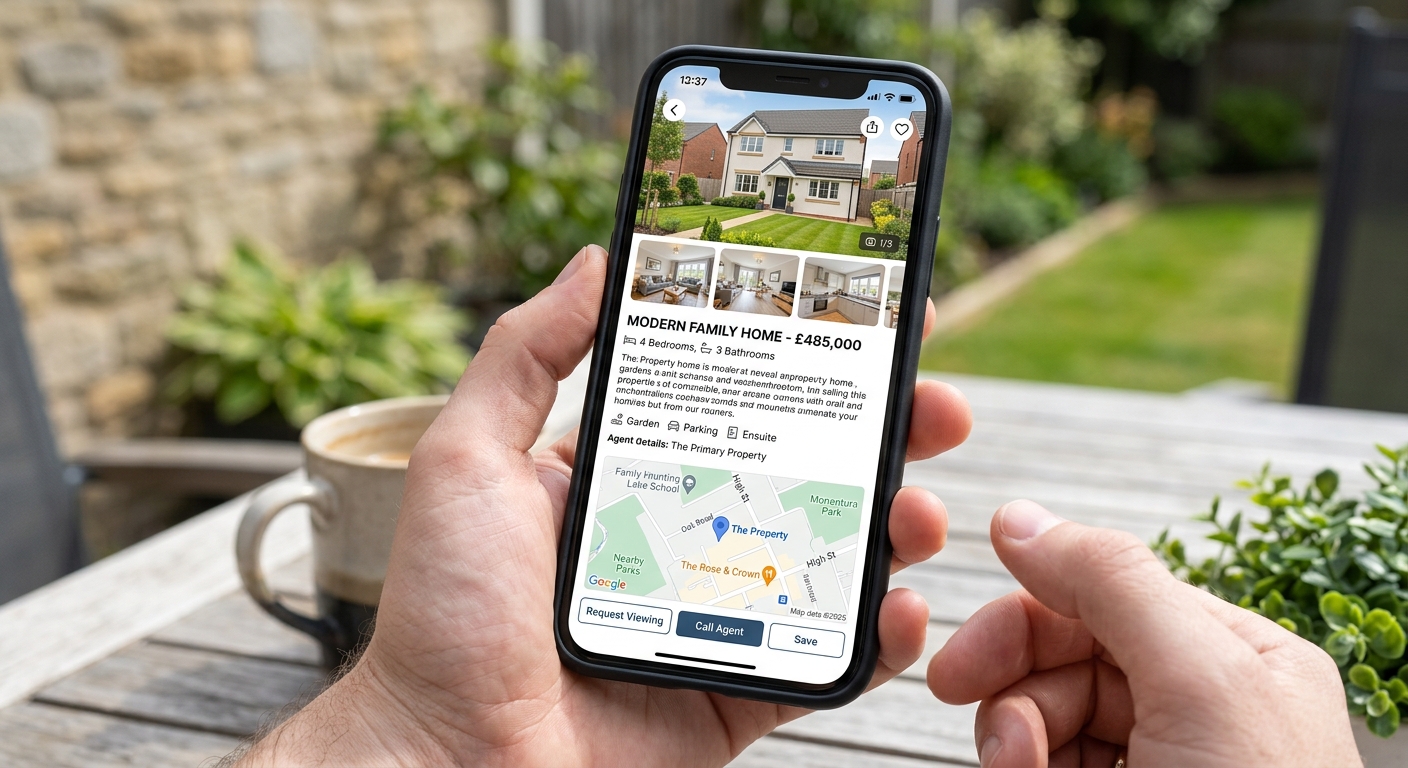
Why Most Property Listings in India Never Get Seen
Here’s what happens on traditional property portals. You create a listing. The platform assigns it an internal ID. That listing sits inside a database, visible only through the portal’s own search filters — city, budget, property type. If a buyer doesn’t land on that exact portal, set those exact filters, and scroll far enough, your property doesn’t exist. And even if they do, paid listings crowd the top of every result page. Yours shows up on page three, four, maybe never.
The model is built to sell visibility, not provide it. Organic reach is the bait. Premium packages are the business. We’ve spoken to brokers in Pune who listed 40 properties on major portals and got inquiries on two — both in premium slots they paid extra for. The rest collected dust. The platform blamed “market conditions.” The real issue was ranking. Organic listings ranked so low that no one scrolled far enough to see them.
Now compare that to how buyers actually search for property in 2026. They don’t start on portals. They start on Google. “3 BHK for sale in Wakad Pune.” “Plot for sale near Bangalore airport.” “Independent house under 1 crore Coimbatore.” Those are real searches, typed thousands of times a month. If your listing isn’t indexed by Google as a unique page with those exact terms, you’re invisible where buyers are actually looking.
What Property Discovery Platforms Get Wrong About Search
Most property discovery platforms in India treat listings like inventory — rows in a database, accessed through filters, sorted by recency or payment tier. That works if buyers arrive on your platform first and trust your internal ranking. But it breaks the moment they don’t. And increasingly, they don’t.
Buyers search where they search everything else: Google. When your listing lives inside a walled portal with no unique URL, no meta description, no on-page SEO, Google can’t index it properly. At best, the portal’s homepage or category pages rank. Your individual property? Buried. The searcher clicks through to a generic “3 BHK in Pune” results page with 500 properties. Yours is somewhere in there, competing with paid promotions and builder inventory. That’s not discovery. That’s a filtering exercise.
Here’s the nuance most platforms miss: property search intent is hyper-specific. A buyer searching “villa with swimming pool in Lonavala” doesn’t want a paginated list of all villas in Lonavala. They want the three properties that match that exact description. If each listing was a standalone page — titled, tagged, and indexed around that specific intent — Google would serve it directly. The buyer lands on the property, not a list. That’s true discovery.
We built Freeperty around this insight. Every property you list becomes a unique, indexable page with its own URL, title, description, and schema markup. Google reads it like a content page, not a database entry. When someone searches the exact terms that describe your property, your listing competes directly in search results. Not buried inside a portal. Not ranked below paid promotions. Just searchable content, visible to anyone looking.
The Real Drivers of Property Listing Visibility in India
If you want your listing to get seen, you need to understand what actually controls visibility in 2026. It’s not how much you pay. It’s how well your listing answers search intent and where it lives on the web.
Search-first architecture matters more than placement. A property listing optimized for search — with a descriptive title, location-rich content, structured data, and a unique URL — will outperform a “featured” listing on a closed platform every time. Google ranks content that matches intent. If your listing page clearly describes a 2 BHK flat in Bandra with sea view under 2 crore, and someone searches exactly that, you rank. Simple.
Listing detail depth drives both ranking and conversions. Thin listings with five photos and a two-line description don’t rank and don’t convert. Buyers can’t decide from them. Google can’t understand them. The listings that perform on Freeperty include area context (nearby schools, transport links, market trends), clear pricing and terms, multiple photos and walkthroughs, and specific property features that match search terms. That depth feeds both SEO and trust.
Location intelligence wins local search. Someone searching “farmland near Pune for weekend home” isn’t comparing 200 properties. They’re looking for options in specific talukas with specific access and specific price ranges. If your listing title and description include those specifics — “5-acre agricultural land in Mulshi with water access, 60 km from Pune” — you show up in that narrow, high-intent search. Generic titles like “Land for sale in Pune” don’t.
Platform openness determines reach. Closed platforms control distribution. Open platforms enable it. When your listing lives on a platform that blocks Google crawling, limits external linking, or hides organic listings behind login walls, your reach is capped at that platform’s audience. When it lives on an open marketplace where every listing is a public page, your reach is anyone searching Google. The difference is exponential.
How Freeperty’s Free Listing Model Changes the Visibility Game
We didn’t set out to disrupt anything. We set out to fix a simple problem: good properties getting no visibility because the owner couldn’t afford premium placement. That meant building a platform where visibility isn’t a product you buy — it’s the default you get.
Every property listed on Freeperty is published as a standalone page optimized for search. No tiers. No featured slots. No algorithmic bias toward paid inventory. When you create a listing, we generate a unique URL, add structured schema for rich snippets, and index it for Google crawling within hours. Your property becomes searchable the same day. Not inside our site search — inside Google.
Here’s what that looksishes in practice. An owner lists a 1200 sq ft plot in Karjat. They write a clear title: “Residential plot for sale in Karjat with RERA approval, 45 minutes from Mumbai.” They add location context (access via Karjat-Murbad Road, schools within 3 km, upcoming metro extension nearby). They upload photos and a price breakdown. That listing goes live as its own page. Within days, someone searching “plot for sale in Karjat with good access” lands directly on it. They didn’t browse. They didn’t filter. They searched, Google indexed, they clicked.
That’s the model. Searchability over subscriptions. Every property gets the same shot at ranking. Your visibility depends on how well you describe your property, not how much you pay us. Because we don’t charge anything.
Structuring Listings That Rank in Google and Convert Inquiries
Writing a property listing that performs in search isn’t complicated. But it does require thinking like a buyer, not a cataloguer. Most listings fail because they optimize for internal filters (3 BHK, 1200 sq ft, Pune) instead of search queries (“spacious 3 BHK near Hinjewadi IT park under 80 lakh”).
Start with a title that matches intent. Include property type, key feature, specific location, and price range if relevant. “3 BHK flat for sale in Wakad with covered parking, near Hinjewadi” beats “Apartment in Pune.” The first one ranks for a real search. The second one ranks for nothing useful.
Add location intelligence in your description. Don’t just list the address. Explain proximity to landmarks, transport links, schools, hospitals, commercial hubs. “5-minute walk to Balewadi High Street, 10 minutes to Mumbai-Pune Expressway, metro station 2 km away” helps both search and trust. Buyers search this way. Google indexes this way.
Use actual long-tail search terms naturally in your content. If your property is a villa with a private garden in a gated community, say that. If it’s agricultural land with mango plantation and water supply, say that. These aren’t “keywords” you’re stuffing. They’re features buyers search for. Writing them clearly makes your listing rankable.
Include photos that show context, not just interiors. A photo of the balcony view showing nearby hills or cityscape does more for discovery than another bedroom angle. Buyers search visually too. Google Images is a discovery channel if your photos are titled and tagged properly.
Add honest detail about the area — growth prospects, infrastructure projects, price trends. This builds trust and feeds real estate SEO India strategies that rank for informational queries (“Is Karjat a good investment in 2026?”). Those searchers become future buyers.
The Role of SEO in Property Listing Visibility (Without the Jargon)
You don’t need to be an SEO expert to make your listing discoverable. You just need to structure it the way Google expects content to be structured.
That means giving your listing a unique, descriptive title (the H1 tag). That means writing a short summary that explains what the property is, where it is, and who it’s for (the meta description). That means using header tags to organize detail (H2 for “Property Features,” “Location Highlights,” “Pricing and Payment Terms”). That means adding alt text to images that describes what they show (“Exterior view of 3 BHK row house in Wagholi”).
These aren’t tricks. They’re table stakes. Every well-built content page does this. Property listings should too. But most portals don’t let you control any of it. They auto-generate titles from internal IDs. They skip meta descriptions. They don’t expose schema markup. The listing never had a chance.
On Freeperty, this structure is built in. You don’t need to know what schema is — we add it automatically. You don’t need to configure meta tags — we generate them from your listing title and description. Your job is writing clear, specific content about your property. Our job is making sure Google can read and rank it.
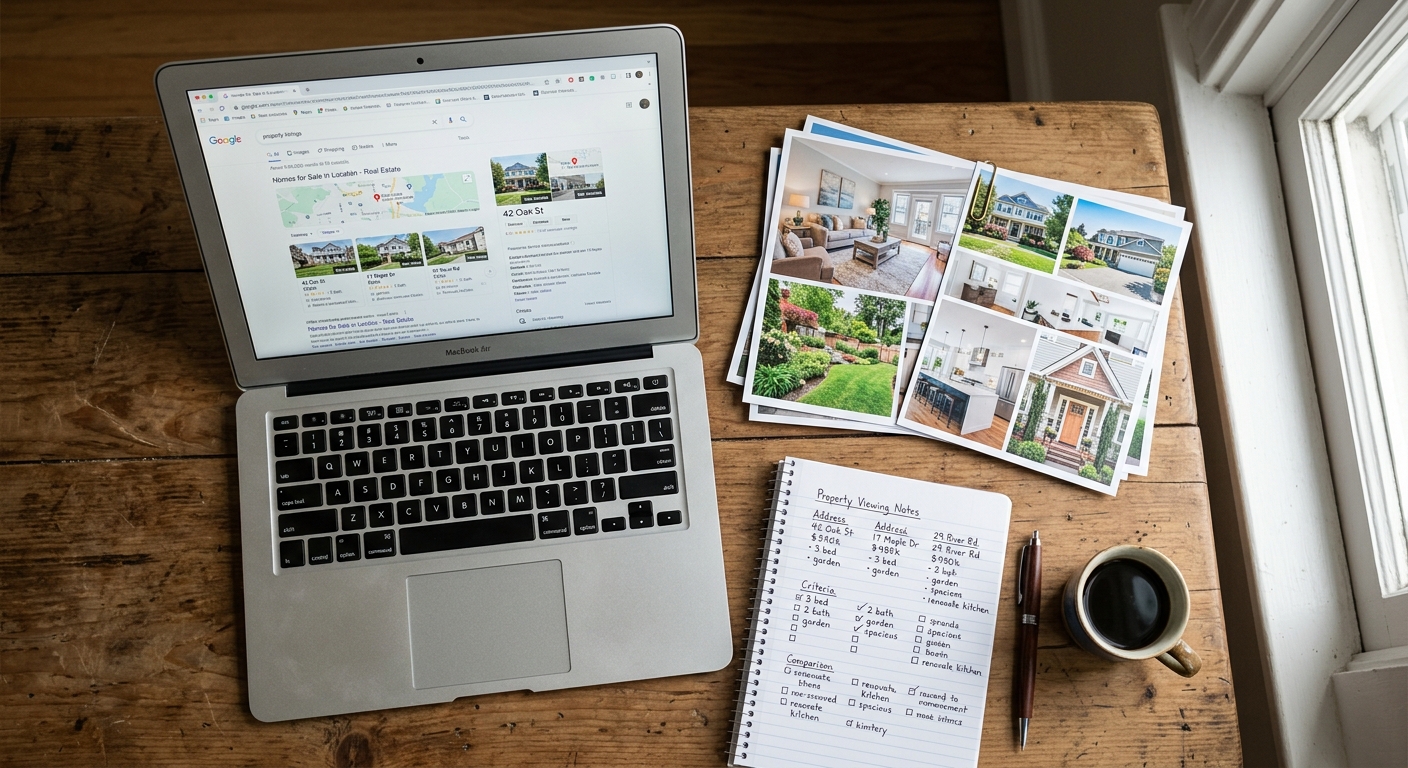
Why Channel Partners and Small Brokers Struggle with Visibility on Traditional Portals
If you’re a builder with 500 units and a marketing budget, traditional portals work fine. You buy homepage placements, featured listings, and sponsored slots. Your inventory dominates search results inside the platform. Buyers see you first.
But if you’re a channel partner managing 20 properties across three builders, or a small broker with a handful of owner listings, you’re competing with deep pockets. You can’t afford to feature every property. You can’t pay for homepage visibility. So your listings sit in organic results, which on most portals means page three or four. Inquiries go to the builders and big brokers who paid more.
We’ve heard this from dozens of channel partners in Bangalore, Pune, and Hyderabad. They bring good inventory to major portals. They write solid listings. Then they get four inquiries in three months while the same property type listed by a big builder in a premium slot gets 40. It’s not the quality. It’s the model. The platform prioritizes paid visibility, so organic listings suffocate.
Freeperty levels that field. A solo broker listing one villa in Alibaug gets the same indexing and ranking chance as a developer listing 50 flats in Thane. No premium tiers. No featured slots. If the solo broker writes a better, more specific listing that matches search intent, they rank better. That’s it. Visibility becomes a function of effort and relevance, not budget.
How NRIs and First-Time Buyers Benefit from Open Property Discovery
Buyers face the opposite problem: too many listings, too little context, no way to trust what they’re seeing. When every platform pushes paid inventory first, how do you know if that “luxury 4 BHK in prime location” is actually prime, or just premium-placed?
NRIs searching from abroad have it worse. They rely entirely on online discovery. They can’t walk into broker offices or drive through neighborhoods. If the listings they find are thin, unverified, or buried under paid promotions, they’re making decisions half-blind. First-time buyers in India face similar friction — they don’t know which areas are appreciating, which builders are reliable, which prices are inflated. Traditional portals show listings. They don’t educate.
Freeperty includes context content around every listing. Area guides that explain infrastructure, growth trends, and price benchmarks. Investment explainers that walk through ROI, appreciation zones, and due diligence steps. Property walkthroughs that show what you’re actually getting. That educational layer turns discovery into informed decision-making. And because it’s all indexed and searchable, buyers land on this content through Google — not just through our homepage.
An NRI searching “best areas to buy villa in Goa for retirement” doesn’t just find a list of villas. They find an area guide explaining coastal regulations, price trends, and rental potential. Then they find villas in those areas. That’s how property discovery should work — search-driven, context-rich, and free.
Common Mistakes That Kill Property Listing Visibility
Even on open platforms, some listings perform and some don’t. The difference is usually one of these mistakes.
Generic titles kill discoverability. “Flat for sale” tells Google and buyers nothing. “2 BHK flat in Whitefield Bangalore near ITPL with metro access” ranks for a dozen long-tail searches. Specificity is free visibility.
Skipping location context wastes your best SEO asset. Property search is inherently local. If your listing doesn’t mention nearby landmarks, transport links, schools, and growth signals, you’re not feeding the search terms buyers use.
Bad photos or no photos crater conversions even when you rank. We’ve seen well-written listings get clicks and zero inquiries because the photos were dark, blurry, or incomplete. Buyers bounce in seconds. If you don’t have professional shots, take 20 decent smartphone photos in good light. Wide angles. Exteriors. Locality. That’s enough.
Ignoring price transparency creates friction. Listings that say “price on request” perform worse than listings with clear pricing. Buyers want to filter before they inquire. Hiding price doesn’t create intrigue — it creates drop-off.
Not updating listings when status changes kills trust and wastes your visibility. If your property sold two months ago and the listing is still live, every inquiry you get is wasted effort and frustrated buyers. Mark it sold or rented immediately.
The Future of Property Listing Visibility: Search-First, Not Platform-First
The direction is clear. Buyers are searching outside walled portals. Google is getting better at understanding property search intent and surfacing direct results. Paid placement models are losing effectiveness because buyers don’t trust “featured” tags anymore. They trust rankings they found themselves.
That means the next generation of property discovery platforms won’t be platforms in the traditional sense. They’ll be indexable content layers that feed search, not filter results. Each property becomes a page, each page becomes a landing point, each landing point becomes a discovery moment. Visibility happens at the property level, not the portal level.
Freeperty is already built this way. We’re not trying to become the biggest portal. We’re trying to make every listing discoverable on its own terms. That’s why we don’t charge for listings or search. That’s why we optimize every page for Google, not internal algorithms. That’s why we publish area content, investment guides, and ROI tools openly — because discovery requires context, not just inventory.
The shift benefits everyone except the platforms monetizing artificial scarcity. Owners get visibility without subscription fees. Brokers compete on quality, not budget. Buyers get transparent access to every option. The only losers are the platforms that made visibility expensive in the first place.
Frequently Asked Questions
How long does it take for a property listing to appear in Google search results?
On Freeperty, most listings are indexed within 24 to 48 hours of publishing. Ranking depends on how well your listing matches search intent and competition for those terms. Listings with detailed descriptions, location context, and clear titles typically start appearing in long-tail searches within a week. Expect gradual visibility growth over 2 to 4 weeks as Google fully indexes and evaluates your page.
Do I need to pay for better visibility on Freeperty?
No. Every listing on Freeperty gets the same search-first indexing, structured schema, and ranking opportunity. We don’t offer premium placements, featured slots, or paid boosts. Visibility is determined by how well your listing content matches buyer search intent, not how much you spend. Better listings rank better. That’s the system.
What makes a property listing rank higher in search results?
Specificity and relevance. Listings with descriptive titles, detailed location context, multiple high-quality photos, clear pricing, and natural use of terms buyers actually search for rank higher. Google rewards content that directly answers search queries. A listing titled “2 BHK flat near Hinjewadi IT park under 80 lakh” ranks for that exact search. A generic “Flat in Pune” doesn’t. Write for the buyer, not the database.
Can small brokers and individual owners compete with big builders on Freeperty?
Yes. Because we don’t sell visibility, listing size and budget don’t matter. A solo owner listing one villa in Alibaug has the same indexing and ranking chance as a builder listing 100 apartments in Mumbai. If the solo owner writes a more specific, search-friendly listing, they’ll rank better for relevant queries. That’s not possible on platforms where builders buy homepage placements and featured slots. On Freeperty, effort and relevance beat budget every time.
Start Listing Your Property on Freeperty — No Cost, No Gatekeepers, Just Visibility
If you’ve been paying for property visibility on traditional portals and watching inquiries trickle in, it’s time to try a different model. List your property on Freeperty. Write a clear, specific title. Add location intelligence and honest detail. Upload good photos. Publish. Your listing goes live as a unique page, indexed by Google, discoverable to anyone searching the terms that describe your property.
No subscription fees. No premium tiers. No featured slots that expire. Just search-first visibility where every listing competes on equal terms. We’ve built this platform to work the way property discovery should have worked all along — transparent, accessible, and built for search, not subscriptions.
Create your free listing at Freeperty.com and see the difference search-first discovery makes. If you have questions, reach out. We’re builders, not gatekeepers. Your property deserves to be seen by the people actually looking for it.
Meta Title: Property Listing Visibility India: Free Search-First Discovery
Meta Description: Get your property seen by actual buyers without paying for visibility. Learn how property listing visibility India works on search-first platforms like Freeperty.
Primary Keyword: property listing visibility India
Secondary Keywords: property discovery platforms India, real estate SEO India, listing optimization for property, property portal ranking, search-driven property visibility