
Most plot investors miss the window. They wait until infrastructure is complete, prices have doubled, and the best deals are gone. Then they wonder why returns disappoint.
The money sits in timing. Not luck — timing. Finding emerging real estate investment zones before the crowd arrives means buying at pre-appreciation rates and selling when everyone else shows up. We’ve watched this pattern repeat across dozens of markets on Freeperty: the investors who profit aren’t the ones chasing headlines. They’re the ones reading signals six months early.
Here’s what actually works when you’re hunting for land appreciation hotspots.
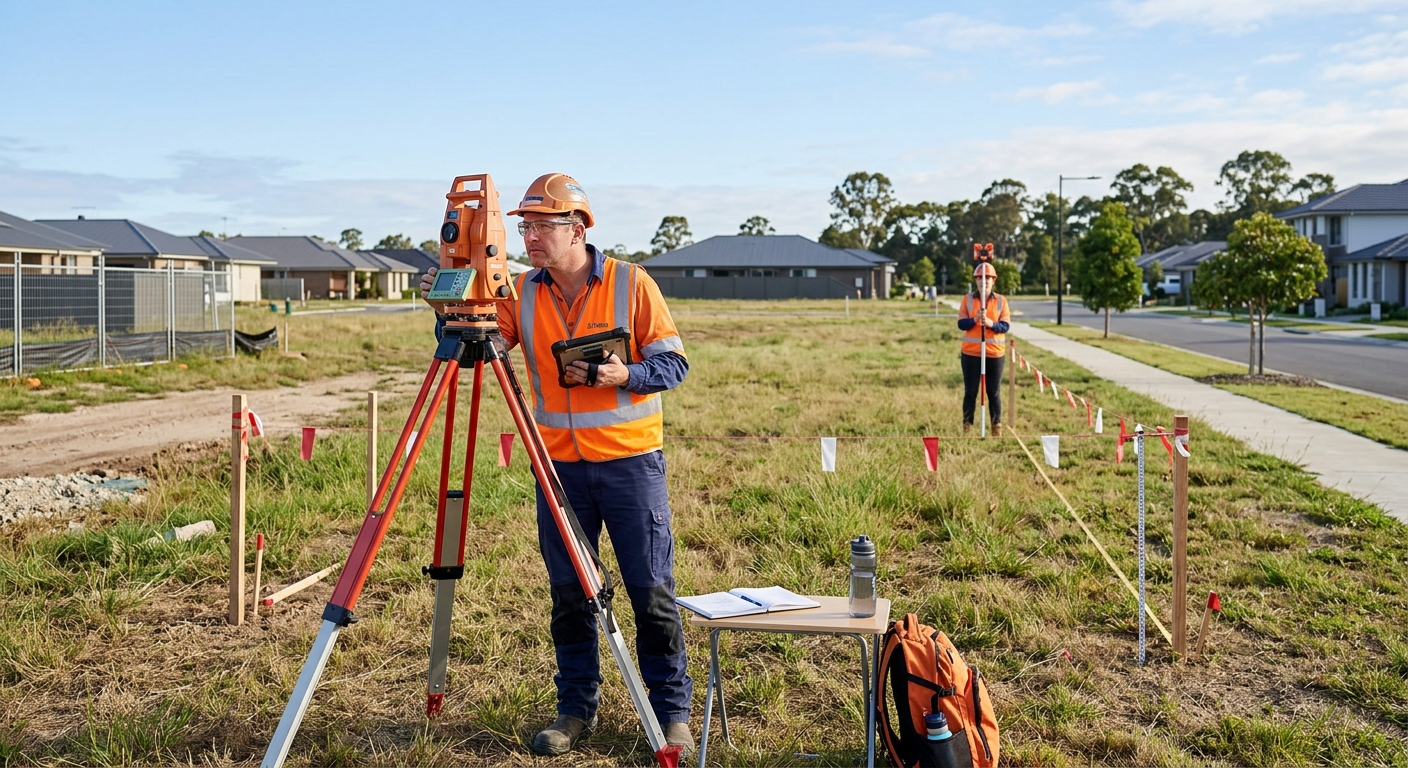
Start With Infrastructure — But Look at Announcements, Not Completions
Completed metro lines don’t create opportunity anymore. They validate prices that already jumped. You want the announcement phase — when projects get budget approvals and timelines, but ground hasn’t broken yet.
This sounds obvious until you see how most people get it wrong. They wait for the ribbon-cutting ceremony. By then, land within 5 kilometers has appreciated 40-60%. The real window opened when the government tender was published, not when the first train ran.
Track three specific triggers: metro phase announcements, expressway alignment notifications, and airport expansion approvals. These create concentric zones of appreciation that ripple outward over 18-36 months. The closer you buy to announcement date, the more upside you capture.
A practical example from our listing data: when Pune’s metro Phase 3 route was announced in early 2024, plots along the proposed corridor were listing at ₹4,000-5,500 per square foot. Within 14 months, those same areas hit ₹7,000-8,200. The investors who moved fast doubled their capital before construction started. The ones who waited for “confirmation” paid the premium.
Check your state’s urban development authority website monthly. Set alerts for master plan revisions. These documents telegraph exactly where infrastructure money flows next — and infrastructure money moves real estate prices. Always.
Employment Hubs Matter More Than Tourist Destinations
Weekend getaway spots appreciate slowly. Employment centers appreciate fast. It’s that simple.
People visit hill stations. They live near jobs. When a major IT park gets announced, or a manufacturing cluster gets tax incentives, housing demand follows within 12-18 months. That housing demand lifts residential plot prices first, then commercial, then agricultural land on the periphery.
Freeperty’s listing patterns show this clearly: areas within 10-15 kilometers of announced Special Economic Zones see listing activity spike 6-8 months before prices move. Brokers start posting inventory. Developers start buying consolidation parcels. That’s your signal — not the news article, but the listing volume.
Compare Goa’s tourist zones versus Bangalore’s outer ring road corridors. Goa appreciates 4-7% annually. Consistent, but slow. Bangalore’s employment corridors near Whitefield, Electronic City, and Hebbal appreciate 12-18% in growth years, with spikes hitting 25-30% when major companies announce expansions. The difference isn’t beauty or lifestyle — it’s jobs per square kilometer.
When you’re identifying high growth areas for plot investment, ask one question first: “Will 10,000 people work here in three years?” If the answer is yes, you’re in the right zone. If the answer is “maybe tourists will visit,” keep looking.
Watch Builder Activity — They Do Your Homework for You
Large developers spend millions on market research before they buy land. You can use their conclusions for free. Just watch where they’re acquiring.
When three or four mid-to-large builders start buying plots in the same 5-kilometer radius within a six-month window, that’s not coincidence. That’s validated demand. They’ve run the numbers, studied the catchment, analyzed price elasticity, and decided this location will deliver. You should too.
Freeperty’s open ecosystem gives you visibility into this pattern. When builder and developer listings suddenly appear for a previously quiet area, pay attention. They’re not testing the market — they’re positioning ahead of appreciation they’ve already forecasted.
Track land parcel sizes specifically. When builders buy 5-10 acre plots, they’re planning plotted developments or villa projects. That means they’ve confirmed infrastructure timelines, utility availability, and buyer appetite. You’re not speculating anymore — you’re following validated intel.
Here’s the friction point most people miss: builders move 18-24 months before retail investors. If you wait until their projects launch, you’ve lost the appreciation window. Buy when they buy, not when they market. Your cost base stays low, and your exit options multiply — you can hold for long-term gains or sell to the next wave of retail buyers who follow project launches.
Connectivity Trumps Current Development Every Time
An empty plot near a highway beats a developed plot in a dead-end locality. Every time. Connectivity is future-proof. Current development is not.
We’ve seen investors get seduced by partially developed areas with a few bungalows, some street lights, and a boundary wall. Feels safer. Looks tangible. Then appreciation stalls because nobody can reach the location efficiently. Meanwhile, barren plots along upcoming expressway exits 10x in value because access solves everything.
Calculate drive time to three anchors: the nearest metro station or transit hub, the nearest employment cluster, and the city center. If all three are under 45 minutes once planned infrastructure completes, you’re in a land appreciation hotspot. If current drive time is 90 minutes but planned infrastructure cuts that to 35 minutes, you’ve found a zone priced on old assumptions.
The Yamuna Expressway corridor is the textbook case. When it opened, plots along the route were priced like farmland because current development was sparse. Within four years, prices rose 200-300% as buyers realized they could commute to Noida and Gurgaon in under an hour. The land didn’t change. Connectivity did.
Google Maps travel time means nothing. Planned connectivity is what you’re buying. Study alignment maps, interchange locations, and access road proposals. Those determine which plots win and which stay stuck.
Price Anomalies Signal Early Opportunity — or Late Traps
When one area is priced 30-40% below neighboring zones with similar infrastructure and zoning, two things are possible: you’ve found early opportunity, or there’s a reason nobody’s buying.
Your job is to figure out which. Fast. Anomalies don’t last. Either prices correct upward as buyers discover the gap, or the gap exists because of a fatal flaw — disputed land titles, environmental restrictions, poor soil quality, or non-convertible agricultural zoning.
Freeperty’s listing data often shows these gaps. One locality lists plots at ₹6,500 per square foot. The adjacent locality, 2 kilometers away with identical road access and zoning, lists at ₹4,200. The reflexive move is to buy the cheaper plot. The smart move is to ask why the gap exists.
Check three things immediately: land records and title clarity, zoning status and conversion approvals, and soil test reports for construction viability. If all three check out and the price gap persists, you’ve found an emerging real estate investment zone the market hasn’t priced correctly yet. If any of the three fail, you’ve found a trap.
Sometimes the gap exists simply because the cheaper zone has fewer listings and less broker activity. Low visibility keeps prices suppressed temporarily. That’s arbitrage opportunity — buy the underexposed plot, list it properly with high-quality photos and detailed descriptions, and capture the price correction as visibility increases.
Price anomalies disappear fast, usually within 9-14 months once discovery happens. Move quickly, but verify first. Speed without diligence is just expensive guessing.
Zoning Changes Are the Hidden Multiplier
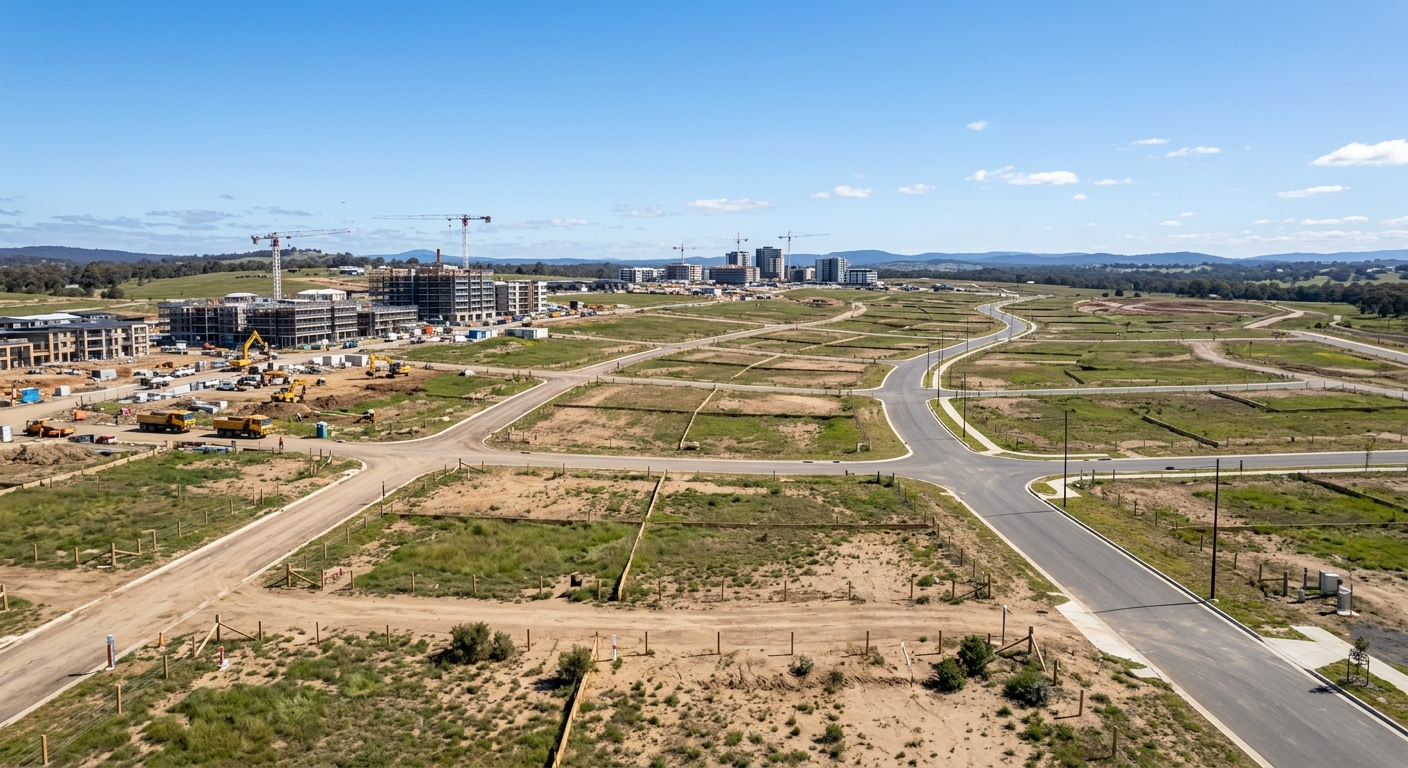
Agricultural land that gets rezoned to residential or commercial use doesn’t appreciate — it reprices. Instantly. Often 3-5x overnight. This is the single highest-return trigger in plot investment strategy, and most investors never track it.
State governments publish draft master plan revisions and zoning change proposals months before final approval. Those documents are public. They’re boring. They’re dense. And they’re worth reading because they tell you exactly which land parcels will jump in value and when.
When agricultural land near an urban growth corridor gets earmarked for residential conversion, every square foot reprices to reflect buildable value instead of crop yield value. The land itself hasn’t changed — the legal use has. That legal shift is worth millions.
We’ve tracked this on Freeperty repeatedly. Agricultural plots listed at ₹800-1,200 per square foot suddenly relist at ₹3,500-4,800 once residential zoning gets approved. The owners who knew the zoning change was coming bought at agricultural rates and sold at residential rates. The ones who waited paid residential rates and got ordinary appreciation.
Attend town planning committee meetings if you’re serious about this. They’re public. They’re tedious. And they broadcast zoning intentions months early. Most investors skip this step because it’s not sexy. That’s exactly why it works.
Master plans get revised every 10-15 years, with minor amendments every 2-3 years. Those amendment windows are your opportunity. Mark the calendar. Read the documents. Identify the parcels. Buy before the zoning notification becomes official.
Avoid These Three Common Mistakes
You can do everything right and still lose money if you miss these traps. We’ve seen it happen. Repeatedly.
First mistake: buying based on broker promises instead of documented infrastructure timelines. Brokers aren’t lying — they’re optimistic. When they say “metro coming in two years,” what they mean is “proposed, not funded, maybe five years if approvals clear.” Get official project timelines from government sources, not sales pitches.
Second mistake: ignoring exit liquidity. Appreciation means nothing if you can’t sell. Before you buy, confirm at least three active brokers operate in that zone and monthly listing turnover exceeds 10-15 transactions. If only one broker controls the area and transactions happen quarterly, you’re stuck with illiquid land. Price appreciation won’t help if buyers don’t exist when you need to exit.
Third mistake: chasing the cheapest per-square-foot rate without checking buildability. Some plots are cheap because they’re on steep slopes, rocky terrain, or flood-prone lowlands. You save ₹2,000 per square foot buying, then spend ₹4,000 per square foot on site preparation and foundation work. False economy. Always get a site survey and soil test before closing.
None of these are exotic risks. They’re common. They’re avoidable. And they kill returns faster than picking the wrong location. Due diligence isn’t optional — it’s the only thing standing between profit and loss.
Real Estate Market Trends Point to Tier 2 and Tier 3 Saturation Zones
The obvious metros are played out for early-stage plot investors. Mumbai, Bangalore, Delhi-NCR — infrastructure is known, prices are high, and appreciation is incremental. The multiples sit in emerging corridors around Tier 2 and Tier 3 cities.
Look at Coimbatore, Nashik, Indore, Bhubaneswar, Jaipur’s outer ring. These cities are adding metro systems, airport expansions, and expressway connectivity that mimics what Tier 1 metros had 10-12 years ago. The playbook is the same. The prices are not. You’re buying today’s opportunity at yesterday’s rates.
Freeperty’s listing growth data shows disproportionate inventory increases in these markets over the past 18 months. More listings mean more activity. More activity means price discovery. Price discovery reveals undervaluation. That’s the cycle you want to enter at stage one, not stage four.
Tier 2 and 3 markets also move faster. There’s less speculative capital, fewer institutional players, and lower holding costs. When infrastructure delivers, prices adjust quickly because the buyer base is real end-users, not flippers waiting for the next fool. That’s healthier. That’s where sustainable appreciation comes from.
Don’t ignore these markets because they lack brand recognition. That’s exactly why they deliver. The brand-name metros already priced in their growth. These cities haven’t. Yet.
Frequently Asked Questions
How long does it typically take for plots in emerging zones to appreciate significantly?
Expect 18-36 months from infrastructure announcement to visible price movement. Major appreciation — 50% or more — usually takes 3-5 years as infrastructure completes and buyer confidence builds. Faster gains happen when multiple triggers align, like a metro line opening near a new IT park. Patience pays here. Exit timing matters as much as entry timing.
What’s the minimum budget needed to invest in land appreciation hotspots?
Depends entirely on location. Tier 2 city peripheries start around ₹15-25 lakhs for a 1,200-1,500 square foot plot. Tier 1 metro emerging corridors need ₹40-60 lakhs minimum for viable plot sizes. Smaller budgets work in farther-out zones, but liquidity drops and timelines extend. Don’t stretch your budget to buy premium zones if it locks up capital you’ll need within three years.
Are agricultural land conversions risky for first-time plot investors?
Yes, if you don’t verify conversion approval status. Agricultural land priced as “near residential conversion” without actual government approval is speculation, not investment. Only buy agricultural land if residential conversion is already sanctioned and documented, or if you’re experienced enough to navigate the conversion process yourself. First-time investors should stick to already-converted residential zoned plots until they understand the system.
How do I verify if infrastructure projects will actually happen on schedule?
Check three sources: the state’s Public Works Department website for tender and contract awards, the local development authority’s project monitoring dashboard, and RTI requests for project fund allocation status. If contracts are awarded and funds are allocated, the project is real. If it’s still at “proposal” or “approval pending” stage, add 24-36 months to any timeline you’ve heard. Government projects rarely finish early — budget for delays, not promises.
Start Spotting Emerging Real Estate Investment Zones With the Right Tools
Plot investment in high-growth areas isn’t guessing. It’s pattern recognition. Infrastructure announcements, employment hub proximity, builder activity, connectivity improvements, price anomalies, and zoning changes — these six signals repeat across every emerging market. Miss one, and you’re gambling. Track all six, and you’re investing.
Freeperty gives you the visibility to spot these patterns early. Our open marketplace aggregates listing activity across India, showing you exactly where inventory is growing, which areas are heating up, and how prices are moving in real time. Whether you’re comparing zones, tracking builder interest, or hunting for underpriced plots before the market corrects, the intelligence you need is already here.
Ready to identify your next land appreciation hotspot? Browse live plot listings across emerging zones on Freeperty — completely free, zero subscriptions, full search access. Start comparing locations, track listing trends, and move before the window closes. The best zones don’t stay emerging for long.